

Introduction
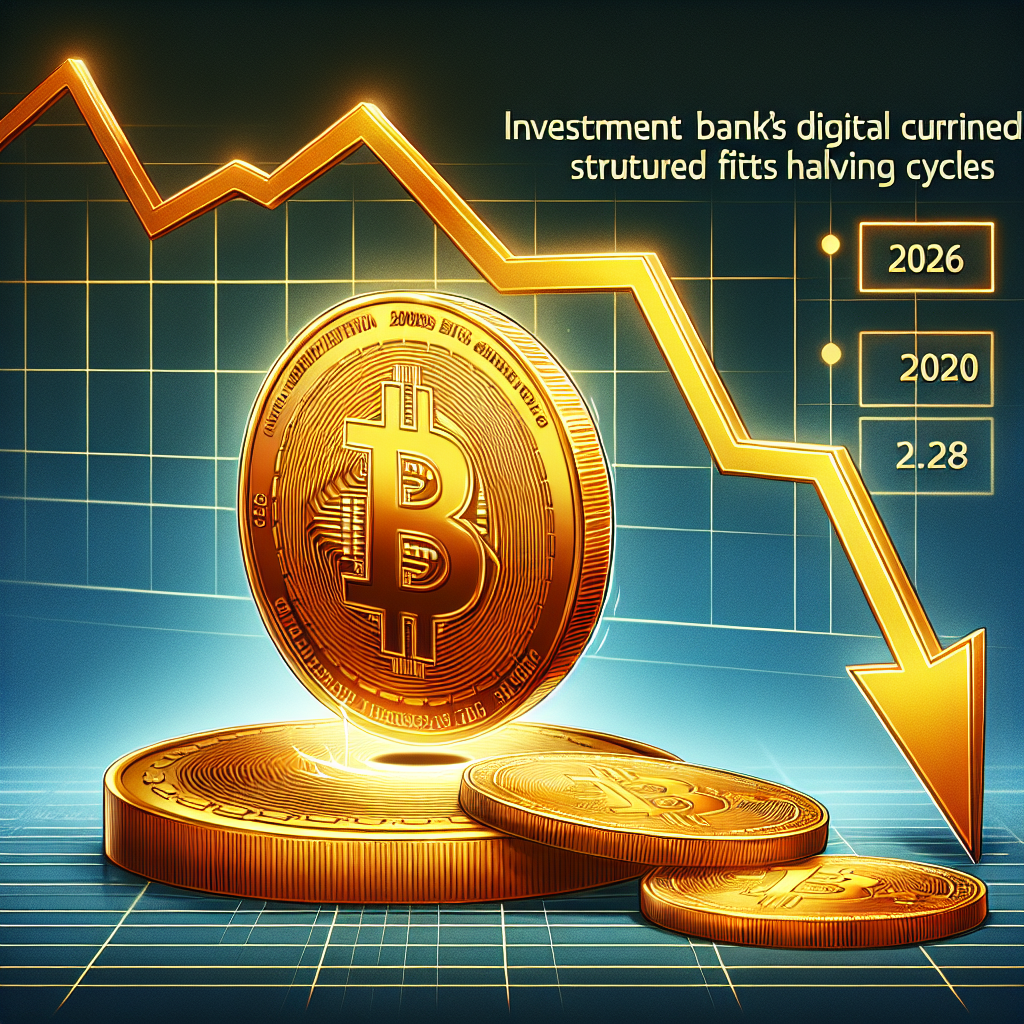
The anticipated Bitcoin dip in 2026 followed by a notable surge in 2028 is gaining attention, particularly with JPMorgan introducing its IBIT-linked structured note. This investment product is designed to align with Bitcoin’s halving cycles, which traditionally influence its price dynamics significantly. Understanding these trends is crucial for investors aiming to navigate the volatile cryptocurrency market effectively and make informed decisions based on projected price movements.
Main Points
Key Point 1: Understanding Bitcoin’s Halving Cycles
Bitcoin undergoes a halving event approximately every four years, reducing the reward for mining Bitcoin by half. This mechanism is integral to Bitcoin’s economic model, limiting supply and theoretically driving up demand. The last halving occurred in May 2020, and the subsequent price increases have often been attributed to this event. For instance, after the 2020 halving, Bitcoin saw considerable growth, reaching approximately $60,000 in 2021. Analysts predict a similar pattern following the 2024 halving, which could lead to a resurgence in prices by 2028. Investors should closely monitor these cycles as they can provide valuable insights into future price trends.
Key Point 2: The Role of JPMorgan’s IBIT-Linked Structured Note
JPMorgan’s new structured note linked to Bitcoin aims to offer a regulated way to invest in cryptocurrency, appealing to institutional investors wary of direct Bitcoin purchases. This structured product derives its value from a combination of Bitcoin’s performance and its halving cycle predictions. It is designed to safeguard investors against extreme volatility while providing exposure to potential upside as Bitcoin’s price surges post-halving. Such financial products can bridge the gap between traditional finance and the cryptocurrency market, inviting more institutional involvement and potentially stabilizing Bitcoin’s price fluctuations.
Key Point 3: Predictions for Bitcoin in 2026 and 2028
Market analysts are forecasting a significant dip for Bitcoin around 2026, likely due to market corrections and external factors such as regulation and macroeconomic conditions. However, the consensus suggests that this decline will be temporary. As the 2028 halving approaches, many believe Bitcoin could experience a robust rebound, potentially surpassing previous all-time highs. Historical price patterns indicate that dips often serve as buying opportunities for savvy investors who anticipate the subsequent recovery phases, particularly in relation to halving events.
Tip:
Investors should consider using tools like JPMorgan’s structured notes to mitigate risks while capitalizing on potential price rises during halving cycles.
Additional Insights
While the halving cycles are central to Bitcoin’s price movements, several other factors can influence these trends:
- Regulatory Changes: Keep an eye on global regulatory environments. Favorable regulations can boost adoption, while stringent measures can hinder growth.
- Market Sentiment: Monitor the broader sentiment surrounding cryptocurrencies. Social media trends, influencer comments, and media coverage heavily impact public perception and investment decisions.
Moreover, long-term investors should diversify their portfolios. Rather than solely focusing on Bitcoin, include a variety of cryptocurrencies to spread risk and enhance potential returns.
Want to Know More?
Discover insights through related articles such as Bitcoin’s $1T Rout Unveils Vulnerabilities in Market Structure and JPMorgan Upgrades Bitcoin Miners Cipher and CleanSpark Amid HPC Shift for deeper analyses on Bitcoin’s market behavior and mining impact.
Conclusion
In conclusion, the predicted Bitcoin dip in 2026 followed by an anticipated surge in 2028 presents both challenges and opportunities for investors. By leveraging financial products like JPMorgan’s IBIT-linked structured note, investors can navigate the complexities of Bitcoin’s price cycles more effectively. Understanding these dynamics is crucial for making strategic investment decisions in the ever-evolving cryptocurrency landscape.
