


Introduction
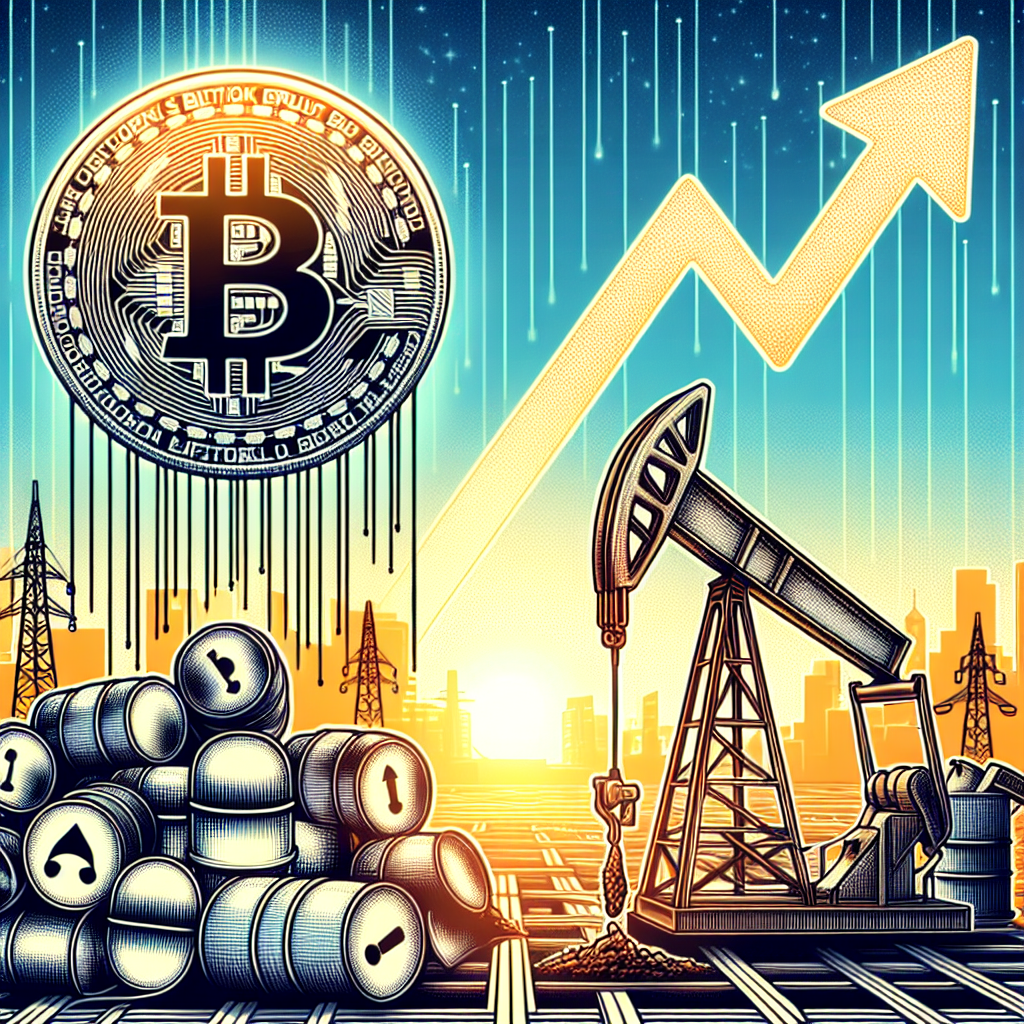
The recent shifts in the financial landscape highlight a notable trend: Bitcoin prices are on the rise, while the costs of oil are experiencing a decline. This phenomenon is particularly significant as it occurs alongside easing global tensions, making it essential for investors and market watchers to understand the implications for both traditional and digital assets. Crypto Daybook Americas provides valuable insights into these developments, showing how they might influence market dynamics moving forward.
Main Points
Key Point 1: Bitcoin’s Resilience
Bitcoin, often viewed as a safe-haven asset in times of market uncertainty, has recently shown remarkable resilience. As geopolitical tensions relax, investors are increasingly turning to Bitcoin as a hedge against inflation and currency fluctuations. This trend is seen in the growing adoption of Bitcoin by institutional investors and retail traders alike, who are now more confident in its stability and long-term prospects. For instance, recent data indicates that major investment firms are allocating more capital towards Bitcoin, thereby boosting its price significantly.
Key Point 2: The Decline of Oil Prices
In contrast, oil prices are witnessing a downward trend. This reduction can be attributed to several factors, notably the stabilization of geopolitical tensions and an increase in production levels within major oil-producing nations. As supply outstrips demand, the market has responded with lower prices. For example, the recent agreements among OPEC countries to maintain production limits have inadvertently led to a surplus, pushing prices lower. Investors must watch how these trends affect global economies and fuel demand in the coming months.
Key Point 3: The Interplay Between Crypto and Traditional Markets
The relationship between Bitcoin and oil prices reflects broader trends within financial markets. As cryptocurrencies like Bitcoin gain traction, their performance often correlates with traditional commodities. The recent rise in Bitcoin can be attributed not only to its unique properties but also to shifts in investor sentiment caused by oil market dynamics. When oil prices drop, it often signals economic slowdowns, prompting investors to seek refuge in assets perceived as having growth potential—such as Bitcoin.
Key Point 4: Future Market Outlook
As we look ahead, the outlook for both Bitcoin and oil will largely depend on ongoing geopolitical developments and their impact on global economic conditions. Investors should remain vigilant, as fluctuations in either market can have cascading effects. For Bitcoin holders, this means monitoring regulatory changes and market sentiment, while oil investors must be prepared for price adjustments tied to supply-demand imbalances.
Additional Insights
In addition to the above observations, here are some actionable tips for investors:
- Diversification is key: To mitigate risks, consider diversifying your investment portfolio by including both Bitcoin and traditional assets like oil.
- Stay informed: Regularly review news related to both markets to identify potential trends and shifts that might affect your investments.
Want to Know More?
If you’re interested in exploring related topics, check out these articles: Traders Sell Ether, Solana, and XRP Rallies; Monero Tops $640 and Bitcoin and Ether Traders Bet on Calmer Market Conditions.
Conclusion
In summary, the financial landscape is witnessing Bitcoin’s ascension amidst dropping oil prices, thanks to reduced global tensions. This interplay is crucial for investors aiming to navigate the complexities of both digital and traditional markets. As we continue to monitor these trends, understanding their implications will be vital for making informed investment decisions.
