

Introduction
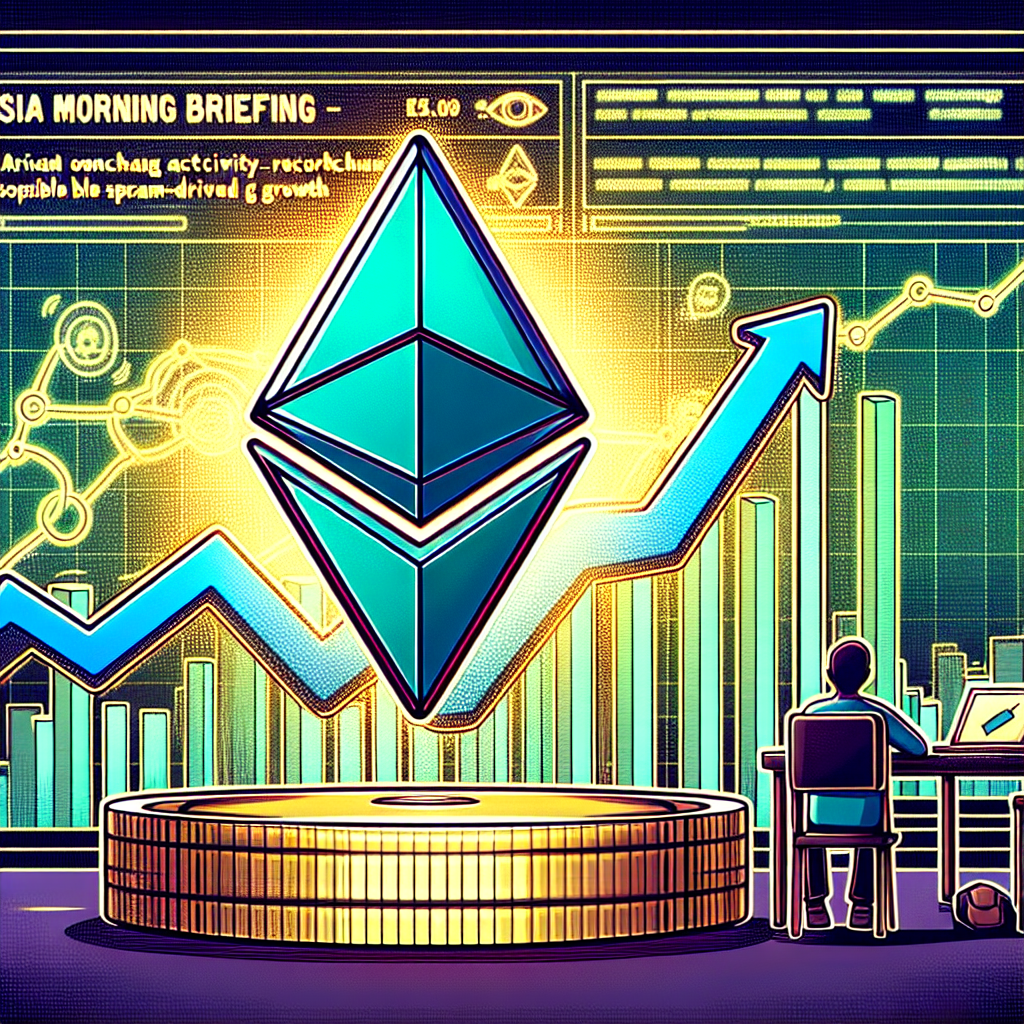
Ethereum has recently experienced a significant surge in onchain activity, reaching unprecedented levels that have caught the attention of analysts and investors alike. This increase is particularly noteworthy as research suggests a potential correlation with spam transactions, which raises questions about the sustainability and authenticity of this growth. Understanding these dynamics is crucial for stakeholders navigating the evolving landscape of cryptocurrencies and decentralized finance. In this post, we delve into the implications of these developments and what they could mean for the future of Ethereum.
Main Points
Key Point 1: Record Onchain Activity
Recent statistics indicate that Ethereum has achieved record-breaking onchain activity, with daily transaction counts and smart contract interactions hitting all-time highs. This increase suggests a growing interest in the platform’s capabilities, particularly as it continues to underpin a variety of decentralized applications (dApps) and financial protocols. However, a closer examination reveals that this surge might also be influenced by a notable rise in transactions deemed spam. These spam transactions can skew the data, making it appear as if interest in Ethereum is overwhelmingly positive. For example, while legitimate transactions have increased, a fraction of this activity can be attributed to automated bots generating excessive low-value transactions.
Key Point 2: Analyzing the Spam Factor
As Ethereum’s onchain metrics soar, researchers are raising alarms about the implications of bot-driven transactions. The presence of spam transactions can not only distort activity reports but also affect network performance by increasing congestion and skyrocketing transaction fees. It is vital for investors to distinguish between genuine user engagement and artificially inflated metrics that result from automated activity. Monitoring these patterns could provide insights into user behavior and help predict future trends. For instance, if spam transactions account for a significant portion of total activity, it would warrant caution as it demonstrates a lack of genuine interest in the Ethereum ecosystem.
Key Point 3: Impacts on Market Sentiment
Market sentiment surrounding Ethereum is largely influenced by onchain metrics. With the current spikes in reported activity, traders may be tempted to invest based on perceived urgency or hype. However, the potential for spam-driven growth could lead to volatility, as the market reacts to misleading data. A sudden realization that a significant amount of the trading volume is not backed by genuine user interest could trigger a sharp correction. To mitigate risks, investors should adopt a comprehensive approach, utilizing both technical analysis and sentiment analysis. This dual approach will equip them to navigate the market’s ups and downs more effectively.
Additional Insights
In light of the developments discussed, here are a few actionable recommendations for Ethereum enthusiasts:
- Deep Dive into Analytics: Regularly analyze onchain activity reports and other metrics beyond just transaction counts to get a clearer picture of engagement.
- Stay Informed: Continuously update yourself on market news and research regarding network performance to grasp the holistic context in which Ethereum operates.
By implementing these strategies, you can make informed decisions based on data rather than hype.
Want to Know More
If you’re interested in exploring related topics, check out our articles on Bitcoin Clears $94,500: Altcoins Steal the Spotlight Today and Bank of Italy Economist Sounds Alarm on Ethereum’s Financial Role. These posts provide further insights into cryptocurrency trends and market dynamics.
Conclusion
In conclusion, Ethereum’s remarkable onchain activity is a testament to its growing influence and adoption in the cryptocurrency realm. However, the potential for spam-driven growth introduces critical questions regarding its authenticity and sustainability. Investors and enthusiasts must remain vigilant and informed, focusing on the underlying metrics that shape this evolving ecosystem.
