


Introduction
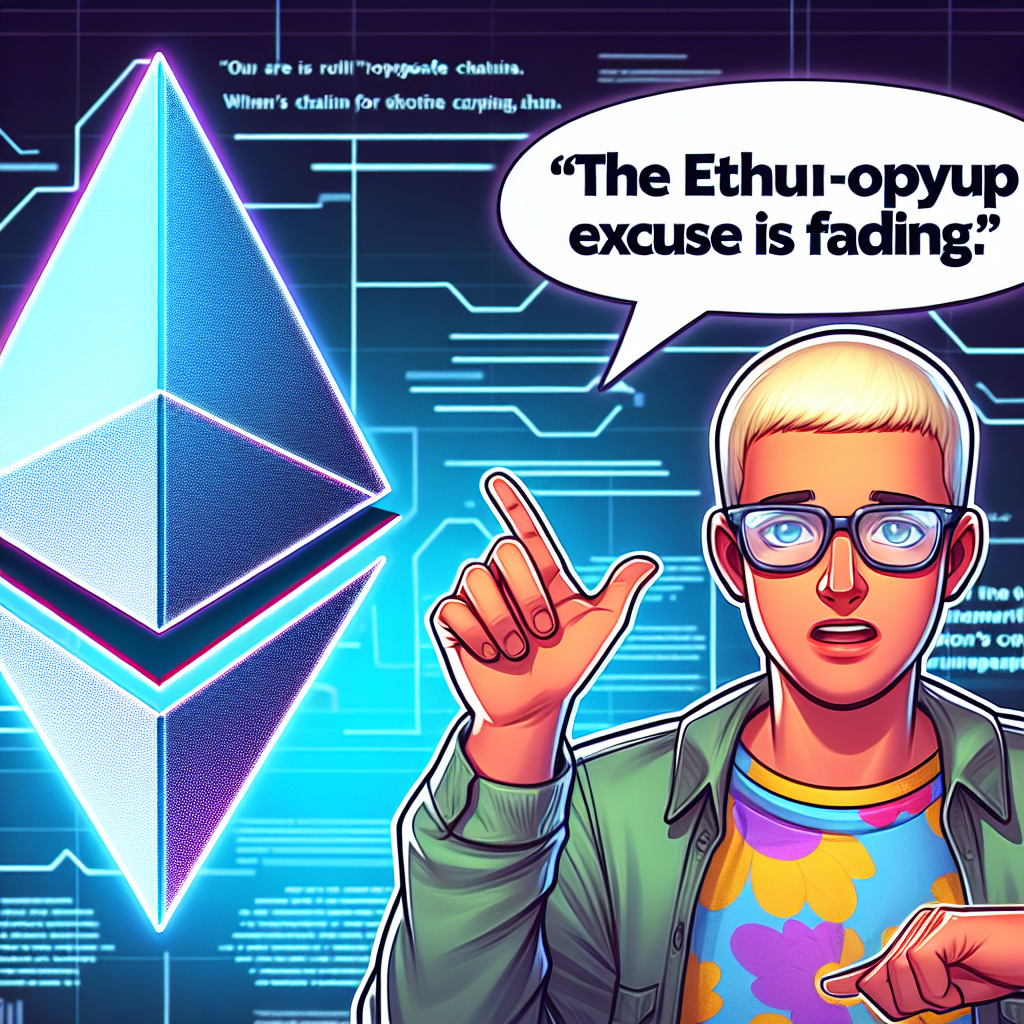
In a recent critique, Vitalik Buterin, the co-founder of Ethereum, has taken aim at the surge of copycat layer-2 (L2) networks within the ecosystem. His insights highlight a pressing issue: the reliance on replicating existing Ethereum-compatible chains without any genuine innovation. This critique resonates strongly as it underscores the evolving landscape of blockchain technology, bringing to light the necessity for unique value creation beyond mere scaling solutions.
Main Points
Key Point 1: Comfort Over Creativity
Buterin argues that the Ethereum ecosystem has settled into a pattern of comfort by producing numerous L2 variants that mimic one another. He refers to this trend as the emergence of ‘copypasta’ chains, which merely integrate familiar designs like optimistic bridges without offering substantial innovations. This tendency undermines the creativity that Ethereum has historically fostered. For example, many chains have launched with standard bridging approaches, often resulting in diminished user engagement and technological advancement.
Key Point 2: Misleading Marketing
Another major concern raised by Buterin is the marketing practices of various projects that exaggerate their ties to Ethereum. He emphasizes the importance of aligning public perceptions—what he describes as ‘vibes’—with the actual technological integration these chains have with the Ethereum core. The paraphrased sentiment is clear: having a bridge does not inherently make a network part of Ethereum’s architecture. This disconnect can mislead users and investors about the viability and security of these projects.
Key Point 3: Future Directions for L2s
While Buterin is critical of the current state of L2 chains, he does endorse viable pathways for future developments. Two promising models stand out: app-specific systems that utilize Ethereum for verification while conducting execution elsewhere, and institutional-driven chains that commit state information back to Ethereum. These approaches offer creative avenues for enhancing the ecosystem without falling into the trap of redundancy.
Key Point 4: A Call for Innovation
Ultimately, Buterin’s remarks serve as a clarion call for innovation within the Ethereum community. As basic operational costs decrease and the foundational layer sees improvements, the justification for many L2s vanishes. His assertion—to focus on newfound creative pursuits rather than copying existing infrastructures—invites developers to think beyond conventional wisdom and explore more unique solutions.
Additional Insights
1. Encourage Diversification: Ethereum developers should explore diverse project designs that incorporate unique features and solve specific challenges instead of replicating existing models.
2. Engage the Community: Establish open forums for developers to pitch innovative ideas and foster collaboration that pushes the boundaries of blockchain application.
Want to Know More?
If you’re interested in further developments in the cryptocurrency space, check out our posts on Metaplanet Raises $137 Million to Reduce Debt and Acquire Bitcoin and Sygnum’s New Bitcoin Fund Garnering $65 Million from Yield-Seeking Investors.
Conclusion
In conclusion, Vitalik Buterin’s critique of Ethereum’s L2 chains reflects a fundamental concern for the health and vitality of the ecosystem. As he emphasizes, merely copying existing models is no longer sufficient; innovation and genuine integration with Ethereum’s core principles are essential for future growth. The time for a creative resurgence in blockchain is now, and the Ethereum community has the potential to lead this charge.
