


Introduction
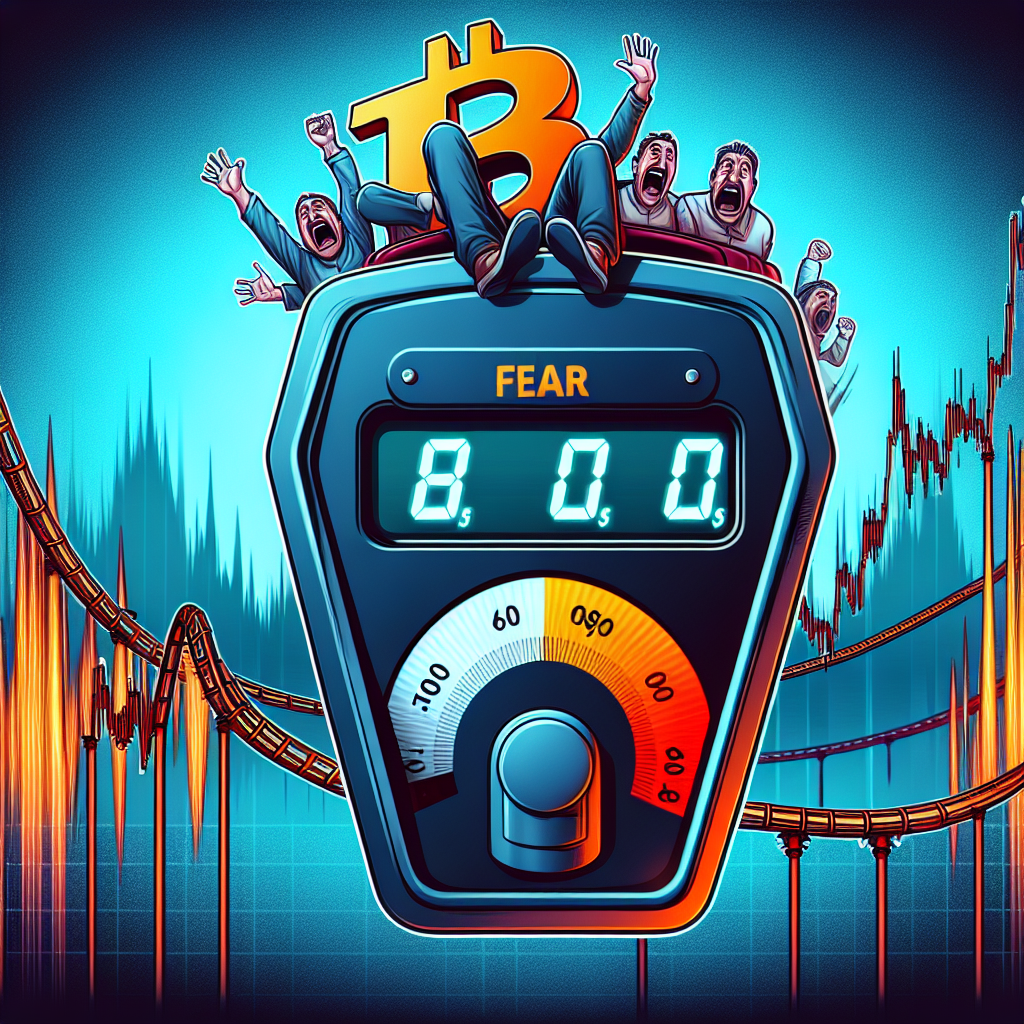
The recent surge in Bitcoin’s volatility gauge, known as the BVIV, has captured significant attention. Reaching levels reminiscent of the post-FTX collapse, this spike indicates extreme market anxiety as Bitcoin’s price plunged to almost $60,000. Understanding why this gauge is hitting peak levels is crucial for traders and investors looking to navigate the turbulent crypto landscape.
Main Points
Key Point 1: Bitcoin’s Volatility Index (BVIV) Spikes
Bitcoin’s volatility index, the BVIV, serves as a mirror to the market’s emotional state. Recently, it surged to nearly 100%, doubling from a previous reading of 56%. This rise signifies not just fleeting panic but a deep-rooted fear among traders, reminiscent of the chaos following the FTX exchange’s collapse in 2022. The increased volatility suggests traders are hedging against potential further declines by purchasing put options in large numbers, demonstrating their concern about Bitcoin’s immediate outlook.
Key Point 2: Increased Demand for Put Options
The intense demand for put options reflects how traders are preparing for continued price drops. Last Thursday, Bitcoin’s abrupt slide from $70,000 to below $60,000 prompted a frantic rush to secure downside protection. Various options traded at strike prices ranging from $70,000 all the way down to $20,000, indicating that many believe further declines are not only possible but likely. This protective measure is crucial for institutional investors looking to safeguard their holdings as the market finds itself in a moment of significant uncertainty.
Key Point 3: Market Sentiment and Price Recovery
The overall sentiment in the crypto market has shifted dramatically towards extreme fear. Even though Bitcoin’s price has shown signs of recovery, bouncing back to about $64,000 shortly afterward, traders remain on edge. Market analysts suggest that if prices stabilize, the volatility that surged could quickly retract. Still, until that happens, many believe the volatility gauges will remain in their heightened states as cautious investors hesitate to commit further capital.
Key Point 4: Understanding the Volatility Index and Its Implications
The BVIV can be compared to the Cboe’s VIX, the fear gauge for the stock market, which reflects trader sentiments based on the implied volatility of options on the S&P 500. Just like the VIX, the BVIV increases as market panic escalates. This correlation implies that understanding these metrics is vital for traders aiming to navigate tumultuous conditions. Observing trends in implied volatility can help traders anticipate potential market movements and adjust their strategies accordingly.
Additional Insights
Here are a few action points for navigating the current Bitcoin volatility:
- Patience is Key: With markets in a state of flux, a patient approach might be beneficial. Monitoring the price movement before making significant investments can prevent potential losses.
- Stay Informed: Following news around Bitcoin can provide better insights into market movements. Institutions like Metaplanet and Sygnum are also shaping market trends that could impact Bitcoin’s performance. For instance, review the following articles:
Want to Know More
If you are interested in deepening your understanding of Bitcoin and its market dynamics, check out our related articles. They offer insights into how institutions are currently influencing the market and the broader implications for individual investors.
Conclusion
The recent spike in Bitcoin’s volatility fear gauge serves as an essential indicator for traders and investors. Watching the index closely will help you navigate the market’s ups and downs. As the situation develops, staying informed and preparing for various scenarios will be crucial. With the potential for continued volatility, understanding these fluctuations is vital for making informed trading decisions.
