


Introduction
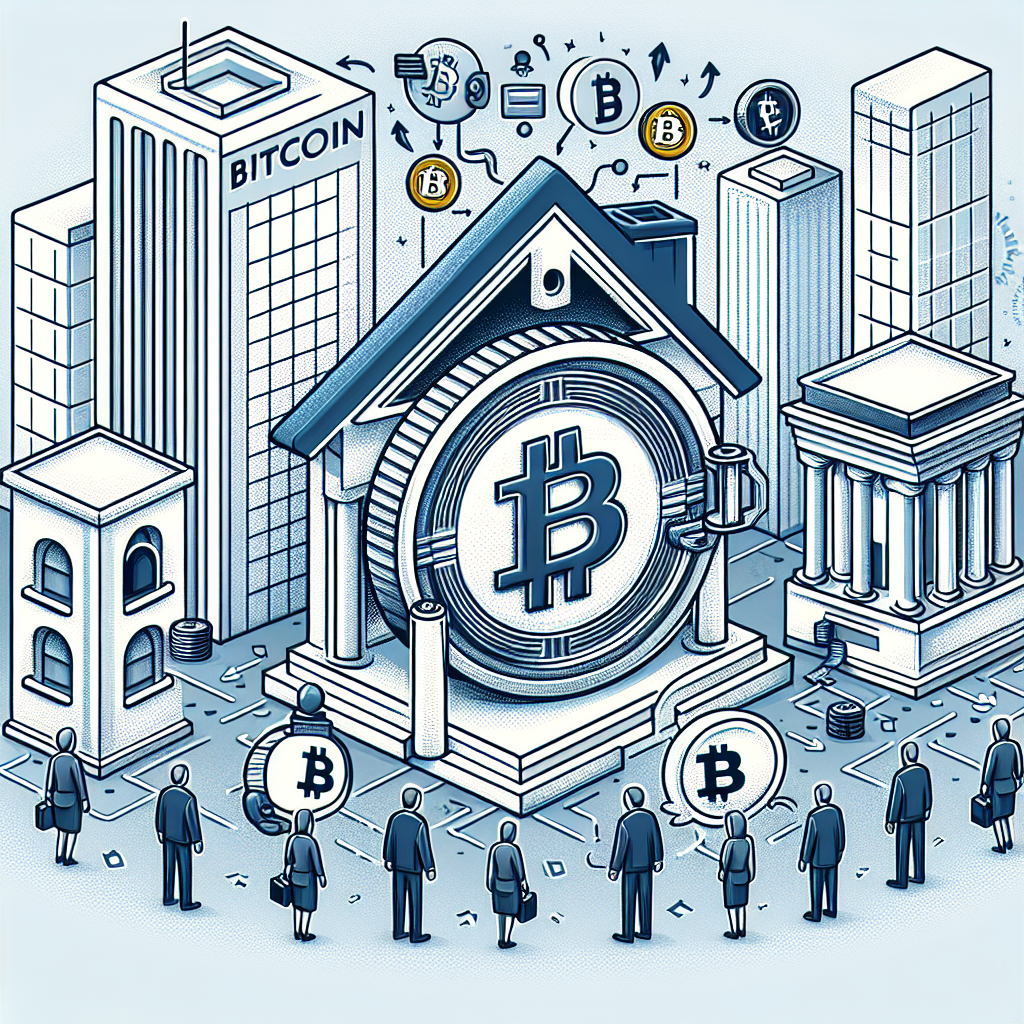
In a significant move for the cryptocurrency sector, leaders from prominent bitcoin layer-2 projects are advocating for BTCFi as the next major institutional unlock. This emerging narrative shifts the focus from merely viewing bitcoin as a digital store of value to utilizing it as a dynamic financial asset. As institutions increasingly seek innovative solutions, understanding this shift is crucial, particularly in how it may reshape market dynamics in the coming years.
Main Points
Key Point 1: Transition from Digital Gold to Financial Productivity
The overarching theme articulated at Consensus Hong Kong 2026 is that the future of bitcoin isn’t just about reinforcing its status as “digital gold”. Instead, it’s about transforming it into a productive asset. According to Gabe Parker, head of Citrea, the goal is to integrate structures like DeFi, lending, and borrowing directly into the bitcoin framework. This transition emphasizes programmability over sheer scalability, allowing investors and developers to leverage bitcoin for a more multifunctional financial ecosystem.
Key Point 2: Rethinking Layer Classification
Diego Gutierrez Zaldivar of Rootstock Labs adds an intriguing perspective by criticizing the existing terminology surrounding “layer two”. He suggests that while Layer one solidifies bitcoin as a store of value, Layer two should be reevaluated as an economic coordination mechanism rather than just a connective tissue. By redefining these roles, stakeholders can better understand the potential of various layers in enhancing financial operations involving bitcoin.
Key Point 3: Institutional Trust and Challenges
Despite the potential, it’s evident that institutions remain skeptical. Charles Chong from BlockSpaceForce points out that institutional investors often prefer working with regulated entities to mitigate counterparty risks associated with decentralized finance. This creates a tug-of-war between traditional safeguards and the innovative, albeit riskier, approaches offered by BTCFi. Understanding this dynamic is essential for any developer or investor looking to navigate the increasingly complex landscape of cryptocurrencies.
Additional Insights
1. **Implement Hybrid Models**: To bridge the gap between traditional finance and decentralized finance, it might be beneficial for developers to explore hybrid compliance models. This can provide a layered approach that assures institutions while still embracing innovative technologies.
2. **Education is Key**: As bitcoin and its applications evolve, continuous education for institutional investors regarding the benefits and risks of BTCFi will be paramount. Holding workshops and seminars that address these topics directly could facilitate greater acceptance and integration.
Want to Know More?
For further reading on current developments in the blockchain space, check out our posts on WLFI Price Balances on Support as Coinbase Flows Spike and Franklin Templeton and Binance Unveil New Institutional Collateral Rail. These articles provide additional context on market movements and institutional strategies.
Conclusion
In summary, the advocacy from bitcoin layer-2 builders for BTCFi as a transformative tool for institutional investment highlights a pivotal change in how bitcoin is perceived within the financial community. As these technologies advance and are adopted, they hold the potential to redefine global financial systems, making bitcoin not just a digital vault but a foundational element of a new programmable financial landscape.
