


Introduction
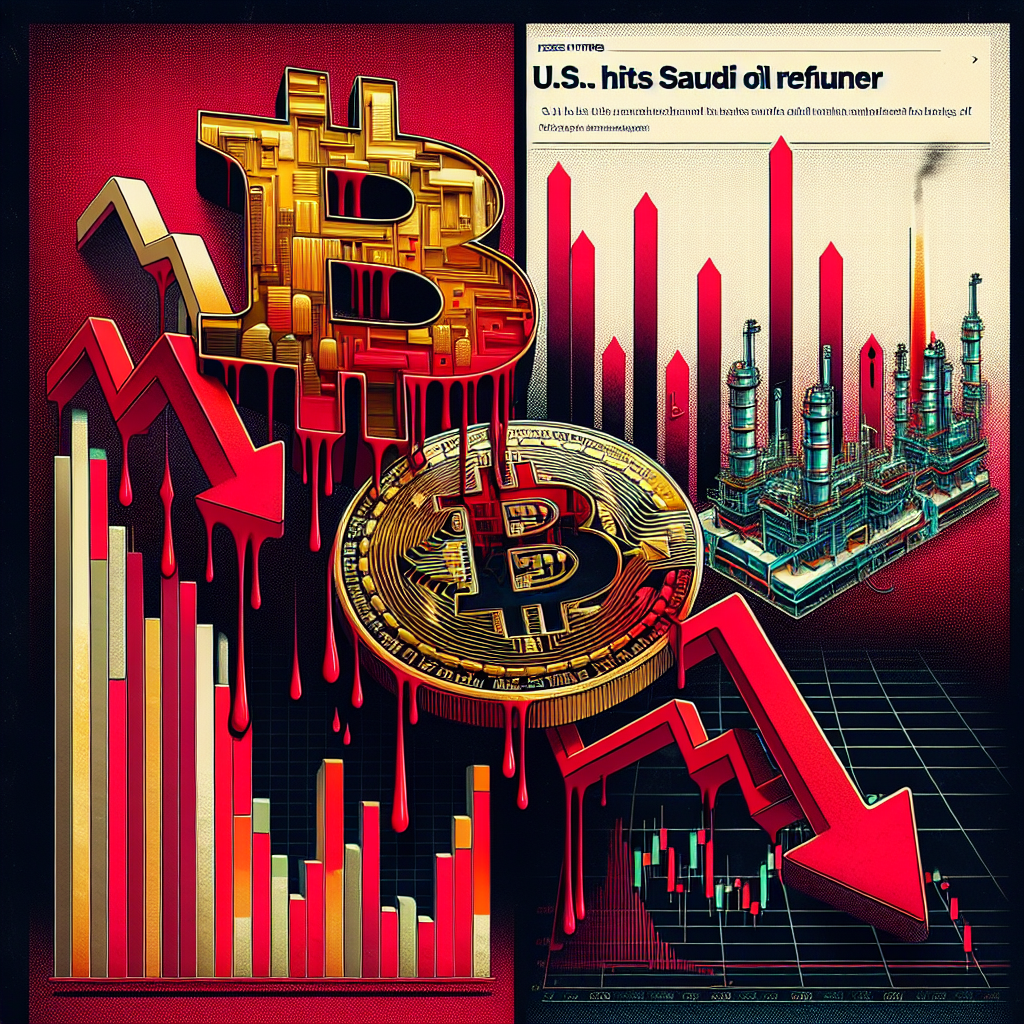
In recent trading, Bitcoin experienced a notable decline, falling below the $66,000 mark amidst a broader slump in U.S. stock futures. This downward shift coincided with rising tensions in the Middle East, specifically related to recent Iranian attacks on Saudi oil facilities. Understanding these dynamics is crucial for investors and market watchers as they reveal the interconnectedness of geopolitical events and cryptocurrency prices.
Main Points
Key Point 1: Bitcoin’s Market Reaction
Bitcoin’s price movement reflects not only market sentiment but also the influence of external geopolitical factors. After reaching a high of nearly $67,000 during the Asian trading session, the leading cryptocurrency quickly retreated below the $66,000 threshold. This drop aligns with losses in the S&P 500 e-mini futures, which fell by 1.4%. Such correlations highlight how traditional financial markets and cryptocurrencies can react similarly to geopolitical tensions, suggesting that investors are increasingly treating digital currencies like Bitcoin as an alternative asset amid global instability.
Key Point 2: Impact of Iranian Actions
The reported Iranian missile attacks on U.S. assets in the Middle East, including an attack on Saudi Aramco’s Ras Tanura refinery, have escalated fears surrounding oil supply disruptions. These actions have significant implications for oil prices, which surged by over 7% in light of the escalating conflict. As oil prices increase, the potential for inflation rises, which can adversely affect equities and drive investors toward safe-haven assets like Bitcoin. This situation suggests that the ripple effects of geopolitical crises can extend beyond immediate markets, influencing investor behavior across asset classes.
Key Point 3: Broader Market Implications
Investors need to remain vigilant as the economic implications of such military conflicts can cause inflationary pressures. According to market analysts, the ongoing tensions may increase the costs associated with U.S. military involvement in the region, leading to a broader economic impact. While a knee-jerk selloff often occurs initially during conflicts, there is potential for renewed interest in Bitcoin as a perceived store of value. The intricate relationship between global events and market sentiment underscores the need for strategic investing during such volatile periods.
Key Point 4: Future Outlook for Bitcoin
Looking ahead, the persistence of geopolitical instability may continue to create uncertainty in the financial markets. As institutions like 21Shares underscore, conflicts typically push commodity prices higher, and with Bitcoin being regarded as digital gold, it may benefit in the long term from such dynamics. However, current trends indicate that Bitcoin has yet to showcase significant haven demand, meaning that market participants may need to tread carefully as they navigate these turbulent waters.
Additional Insights
As the situation evolves, here are a couple of actionable tips for investors:
- Diversify Your Portfolio: In light of recent events, consider diversifying your investments to mitigate risks associated with potential shocks to the market.
- Stay Informed: Keeping abreast of global news and its potential ramifications on financial markets can enhance your decision-making process. Utilize reliable news sources to track developments that could impact asset prices.
Want to Know More?
If you wish to expand your understanding of the current cryptocurrency landscape, take a look at these related posts:
- STRC Cranks Preferred Payout to 11.5% Amid Crypto Chill
- Bitcoin May Plunge to $10,000 Amid Rising U.S. Recession Risks
Conclusion
In summary, Bitcoin’s slip below $66,000 amid declining U.S. stock futures serves as a reminder of the volatility inherent in the cryptocurrency markets, especially during periods of geopolitical unrest. The situation in the Middle East has far-reaching implications, not only for oil prices but also for how investors perceive risk across various assets. By understanding market dynamics and staying educated, individuals can better position themselves to navigate these challenges moving forward.
