


Introduction
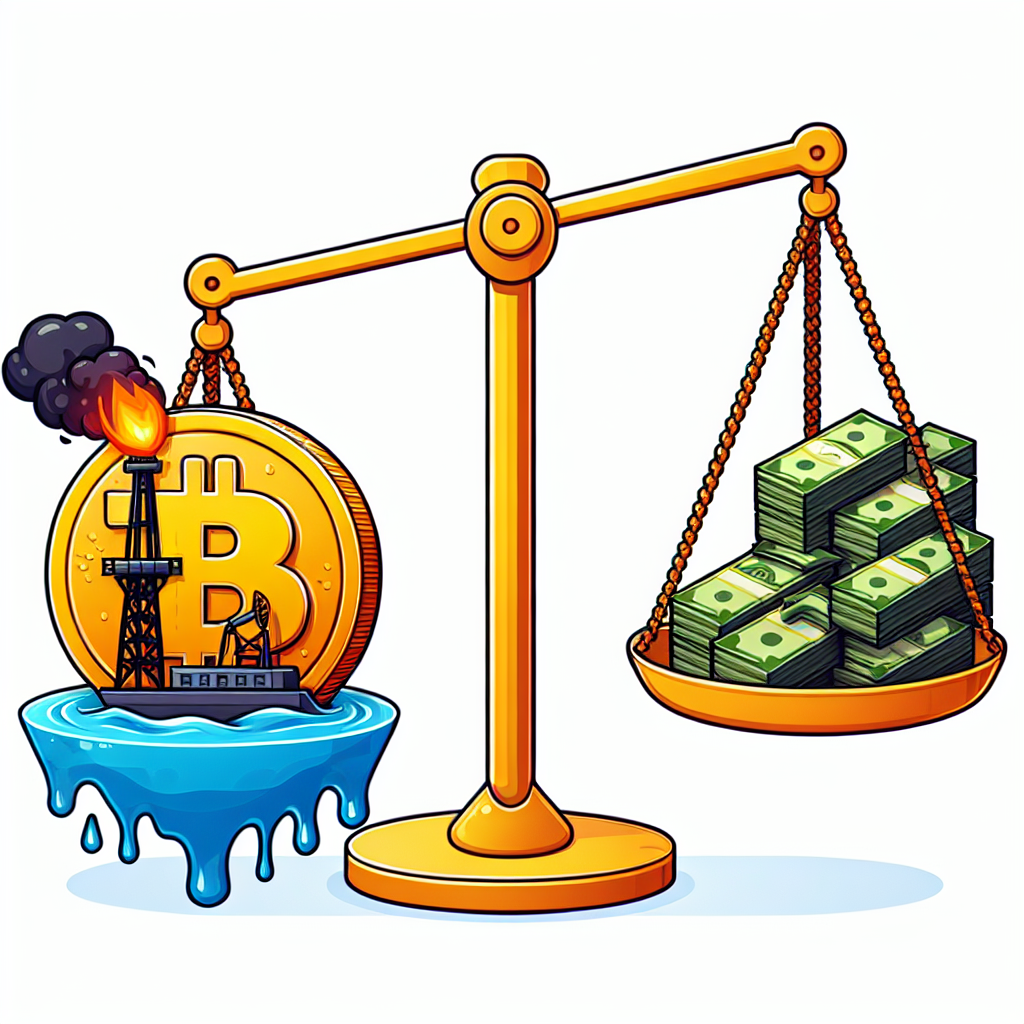
The current global financial landscape has been significantly affected by rising oil prices and inflation fears, resulting in a noticeable decline in bitcoin prices. On March 3, 2026, bitcoin saw a dip of over 3.5%, falling below $67,000, as geopolitical tensions escalate, pushing investors away from riskier assets. This trend not only influences bitcoin but also has broader implications for the cryptocurrency market and economic stability. Understanding the interplay between energy costs, market sentiment, and the cryptocurrency space is essential for investors navigating this turbulent environment.
Main Points
Key Point 1: Geopolitical Tensions Affecting Market Stability
Escalating conflicts in the Middle East, particularly between Iran and the United States, have raised alarm among investors. With threats to key shipping lanes like the Strait of Hormuz, which is responsible for about 20% of global oil supply, fears of supply disruptions have surged. This scenario leads to a stronger U.S. dollar as investors flock to safer assets, impacting bitcoin‘s market performance. Consequently, as oil prices soar, cryptocurrency value tends to drop due to shifting market dynamics.
Key Point 2: The Response of Financial Markets
The recent spike in oil prices heralded by 13% increases in Brent crude has resulted in a ripple effect across financial markets. As crude prices rise, so do shipping costs, causing further strain. The U.S. dollar index jumped nearly 1%, indicating a flight towards stability amidst uncertainty. This kind of behavior illustrates how intertwined global player actions and expectations can culminate in significant price changes for cryptocurrencies, including bitcoin.
Key Point 3: Liquidations and Market Reactions
When the U.S. initiated strikes against Iranian targets, bitcoin and other cryptocurrencies slipped as investors reacted to the potential for extended conflict. Around $300 million in long liquidations occurred in crypto markets, demonstrating how quickly sentiment can shift. Data showed that while prices tumbled, the extent of market reaction was more tempered compared to past events. Analysts noted that this suggests some traders were prepared for such risks, reflecting a more cautious approach toward market volatility.
Key Point 4: Historical Context and Future Implications
Historically, significant geopolitical events have often led to severe market reactions. Analysts recall a previous U.S. strike on Iran, which initially sent bitcoin prices plummeting. However, following that episode, prices recovered and eventually soared. Current indicators suggest that some market participants remain optimistic about the potential for recovery despite pressing geopolitical uncertainties, as placing bets on bitcoin approaching $70,000 is a common strategy among investors.
Additional Insights
1. Investors must remain alert and informed about geopolitical developments, as these can influence market conditions swiftly. Keeping abreast of news related to oil prices, inflation, and international relations can aid in better decision-making regarding cryptocurrency investments.
2. Diversification remains a key strategy; rather than solely investing in bitcoin, consider a balanced portfolio that includes alternative cryptocurrencies and traditional assets. This approach helps mitigate risk during turbulent market periods.
Want to Know More?
If this topic interests you, check out our posts on GD Culture Firm to Liquidate Bitcoin Holdings for Buybacks and Bitcoin Climbs Above $68,500, Circle Drives Crypto Stocks Up for more insights and updates on the crypto market.
Conclusion
The downward pressure on bitcoin caused by oil-related shocks and inflation fears highlights the volatile nature of the cryptocurrency market intertwined with global economic factors. As geopolitical tensions rise, investors may need to rethink their strategies and remain adaptable to the changing landscape of financial markets.
