


Introduction
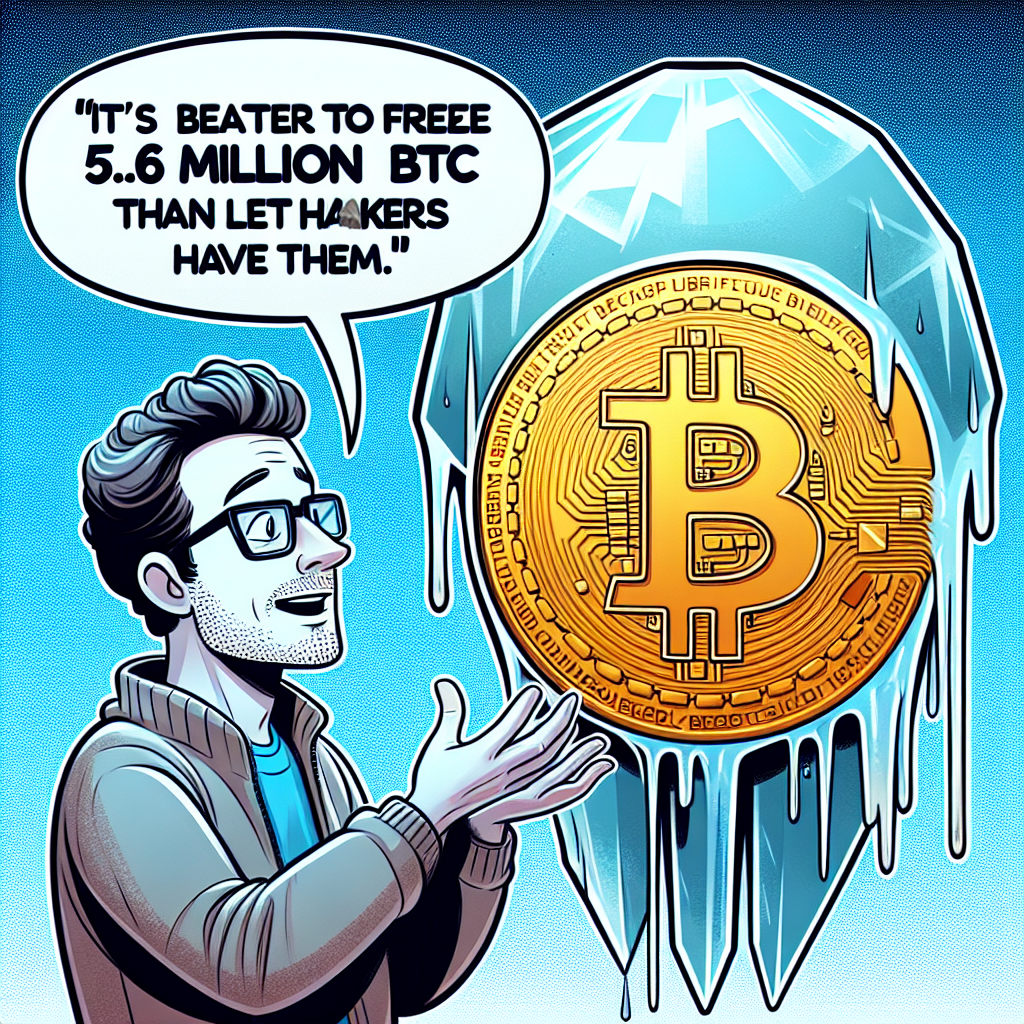
In the ever-evolving landscape of cryptocurrency security, Bitcoin developer Jameson Lopp has put forth a controversial suggestion: freezing 5.6 million dormant bitcoins (estimated to be worth around $420 billion) to safeguard them from potential future quantum hackers. This recommendation has reignited the debate over preserving the core principles of Bitcoin versus protecting the network from possible vulnerabilities that advancements in quantum computing might exploit. Lopp’s call to action raises significant questions about ownership, security, and the future of Bitcoin.
Main Points
Key Point 1: The Proposal’s Rationale
Lopp suggests that freezing these dormant bitcoins could be a necessary precaution against quantum attacks. He mentions that approximately 28% of all bitcoins are considered lost or dormant, having not been moved in over a decade. With advancements in quantum computing, there is a looming threat that these coins could be accessed by malicious actors. To mitigate this risk, Lopp frames the freezing of these coins as a strategy to encourage users to upgrade their wallets, reinforcing the ecosystem’s resilience against future threats.
Key Point 2: Ethical Concerns and Community Response
Despite his intentions, Lopp’s proposal has sparked widespread criticism. Detractors argue that freezing coins undermines Bitcoin’s foundational promise of absolute, unconditioned ownership. This concept of immutability is a cornerstone of the Bitcoin philosophy, and any action that appears to intervene could set a precarious precedent. Many community members argue that allowing dormant coins to remain untouched upholds the integrity of the blockchain, even if it poses potential future risks.
Key Point 3: Potential Market Implications
The scenario surrounding the freezing of dormant bitcoin raises concerns about market trust. Lopp warns that the re-emergence of these forgotten coins could lead to severe market volatility. If there’s any credible claim that quantum technology could recover these coins, it could instigate widespread panic among holders, potentially triggering a massive sell-off. The psychological impact of perceived vulnerabilities might shake confidence in Bitcoin, leading users to exit the market to wait for stability.
Key Point 4: Human Behavior and Network Dynamics
Lopp emphasizes a human tendency to procrastinate when it comes to system upgrades. He argues that some level of intervention might be necessary to incentivize users to enhance their wallet security proactively. Lopp’s approach seeks to balance individual ownership with the collective security of the Bitcoin network, suggesting that addressing human behavior is crucial in ensuring the ecosystem’s longevity in light of technological advancements.
Additional Insights
As the cryptocurrency community grapples with the implications of quantum computing, it’s essential to consider the following actionable recommendations:
- Encourage Wallet Upgrades: Develop educational initiatives to promote awareness of wallet security, focusing on the importance of staying updated with technological advancements.
- Promote Open Dialogue: Create forums and discussions that allow varied perspectives within the community, fostering a collaborative approach to addressing potential threats and formulating strategies.
Want to Know More?
If you found this discussion interesting, check out these related articles:
- Adam Back Denies He’s Satoshi Nakamoto After NYT Report
- Morgan Stanley’s Bitcoin ETF Achieves Impressive $34 Million Day One
Conclusion
Jameson Lopp’s advocacy for freezing 5.6 million BTC to prevent future hacker access places significant attention on the ongoing tension between Bitcoin’s foundational values and its security. As developers and users consider what this means for the future, the conversation around ownership, technological advancements, and collective security will continue to shape the Bitcoin community’s response.
