


Introduction
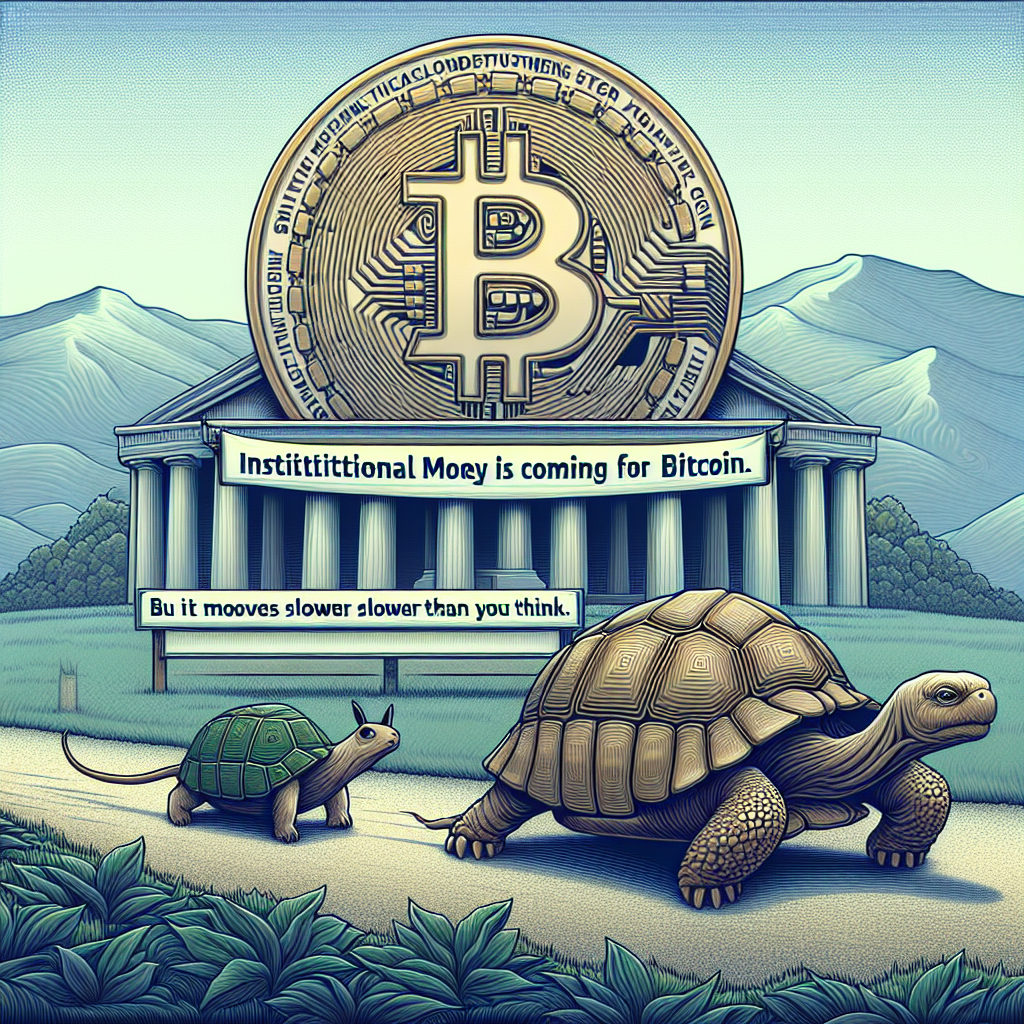
The cryptocurrency landscape is rapidly evolving, with institutional investments increasingly flowing towards bitcoin. Yet, despite the promising signs, industry expert Adam Back emphasizes that this progress is not as fast as many may think. Understanding these insights is crucial for investors who aim to navigate this dynamic market effectively.
Main Points
Key Point 1: Institutional Adoption Takes Time
Adam Back, CEO of Blockstream, argues that while spot bitcoin ETFs signal significant interest from institutions, the process of actual adoption is gradual. Back highlights that major financial firms, like BlackRock and Morgan Stanley, are interested in cryptocurrency, but they move carefully. He stated, “Investors don’t dive in overnight; the buildup can take one to eighteen months.” This illustrates a common misconception that immediate investment will follow ETF approvals. Instead, institutions typically favor a measured approach, indicating a robust yet slow transition into mainstream cryptocurrency adoption.
Key Point 2: Long-Term Catalysts and Market Dynamics
Back points to spot bitcoin ETFs as a long-term catalyst for market shifts. However, he also notes that institutional support is influenced by broader market conditions and regulatory frameworks. The current regulatory environment, propelled by crypto-friendly policies, enhances stability; however, Back cautions that these changes often take time to materialize in the market. Institutions like BlackRock applying pressure to maintain their bitcoin ETF business create a durable foundation for bitcoin‘s future amid regulatory flux. This proactive approach by major players might insulate bitcoin from political shifts and bolster its acceptance.
Key Point 3: Evaluating Risks in the Cryptocurrency Landscape
Another pressing concern for institutions revolves around the implications of quantum computing on bitcoin’s security. Back acknowledges that while quantum computing poses risks, it remains a distant concern for most retail investors. Nonetheless, institutional investors are much more calculated. He explains, “Institutions will think a decade ahead” and are keen to appraise potential risks, such as quantum threats, even if they seem small. This strategic foresight can influence their investment decisions, leading them to tread carefully in a market that is still maturing.
Additional Insights
Here are some key observations and tips for prospective investors in bitcoin:
- Diversification is Key: As with any investment strategy, diversifying your portfolio can mitigate risks. Consider allocating portions of your assets across different cryptocurrencies alongside bitcoin.
- Stay Informed: Regularly update your knowledge on regulatory changes, market trends, and technological advancements in the cryptocurrency sector. Resources such as reliable news outlets can provide valuable insights.
Want to Know More?
If you’re interested in exploring more about bitcoin, check out our articles:
- Bitcoin Surpasses South Korea’s Stock Market in Stability
- Strategy Surpasses BlackRock IBIT in Bitcoin Holdings Amid Market Changes
Conclusion
In summary, while institutional money is indeed flowing into bitcoin, Adam Back’s insights remind us that this shift is slower than many anticipate. Institutional adoption takes time, and various factors, including risk evaluations and regulatory environments, will dictate the pace. As developments unfold, remaining patient and informed will be essential for capitalizing on the long-term potential of bitcoin.
