


Introduction
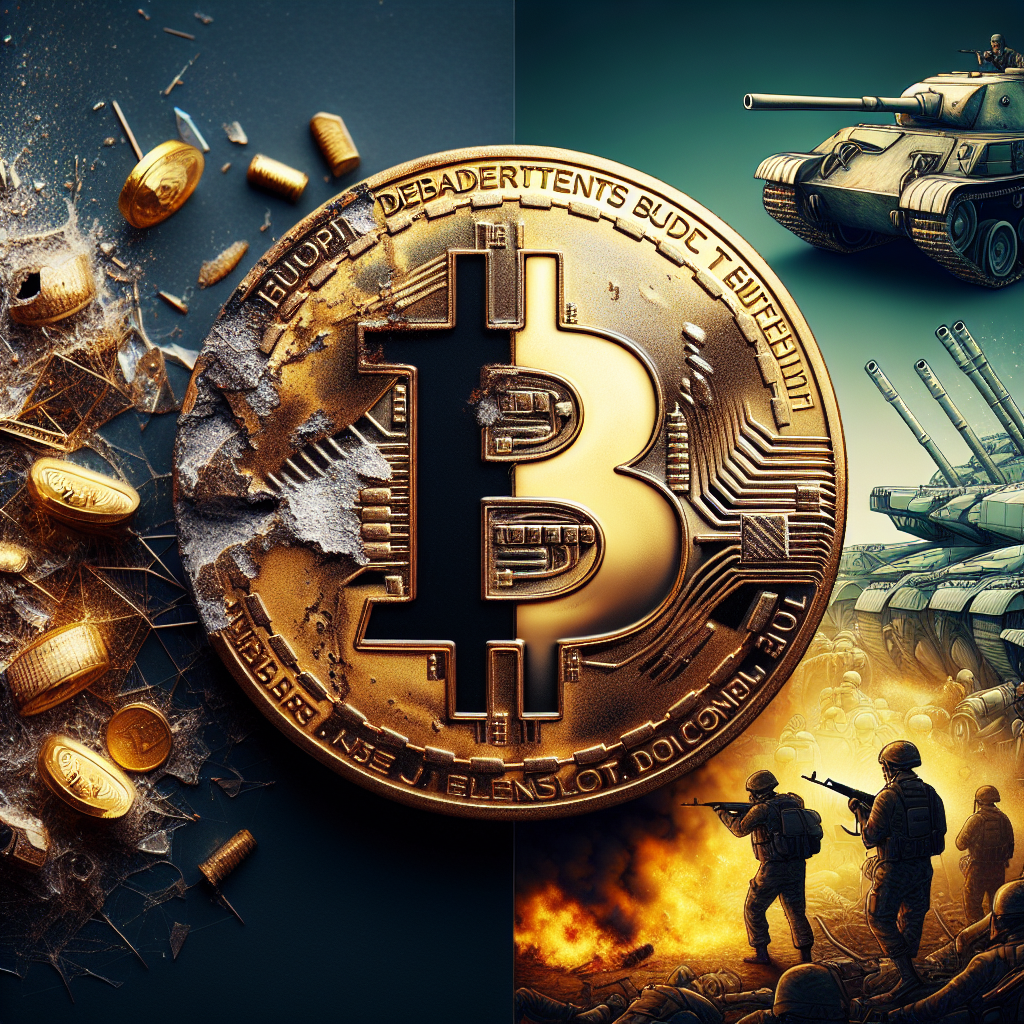
As global tensions escalate, particularly in regions involving the U.S., Israel, and Iran, battered bitcoin may have the potential to appeal to investors seeking safety during economic turmoil. This article examines the evolving concept of using bitcoin as a refuge amid the war-induced debasement of fiat currencies. With governments resorting to money printing to manage debts, bitcoin’s finite supply positions it as a viable alternative for protection against inflation and loss of purchasing power.
Main Points
Key Point 1: The Impact of War on Financial Markets
The ongoing conflict in the Middle East drives markets to react predictably—investors pull back from riskier assets, leading to a drop in bitcoin’s price. Bitcoin fell to around $66,300, reflecting a 0.5% decline in just 24 hours. However, as tensions escalate, the demand for scarce assets grows, creating a potential upswing for bitcoin as traders look for safety. Currencies are becoming increasingly unstable, creating an opportunity for bitcoin to regain traction.
Key Point 2: The Debasement Trade
In times of geopolitical instability, the concept of the debasement trade emerges. Investors traditionally move toward hard assets like gold and bitcoin, anticipating the deterioration of the value of fiat currencies. With rising debts that governments cannot cover with growth alone, money printing becomes inevitable, flooding the market with cash and devaluing existing currencies. As bitcoin approaches historic lows, investors might see it as an underpriced asset ready for a rebound, providing a hedge against the anticipated economic fallout.
Key Point 3: Historical Trends and Investor Behavior
Historically, the Federal Reserve has adopted a dovish stance during times of crisis, easing liquidity which supports prices of various assets, including bitcoin. Past incidents have shown that during economic stress, the demand for secure, non-inflatable assets like cryptocurrencies surges. Currently, with bitcoin showing signs of overselling, the potential for recovery exists if the debasement trends continue, signaling investors to consider entering the market.
Key Point 4: Market Indicators and Sentiment
As various market indicators suggest a downturn, it is crucial for traders to stay vigilant. The performance of bitcoin influences and is influenced by broader market dynamics, such as oil price fluctuations and geopolitical events. For instance, the recent spike in oil prices has made certain investments riskier, enhancing bitcoin’s appeal as a digital asset that isn’t tied to traditional commodities.
Additional Insights
To navigate the evolving landscape of cryptocurrencies, consider these recommendations:
- Diversify your investments: Don’t rely solely on bitcoin. Include other cryptocurrencies and traditional assets to mitigate risk.
- Stay informed: Follow geopolitical news and market trends closely as they significantly influence cryptocurrency prices.
Want to Know More
If you found this article insightful, you may be interested in related topics: GD Culture Firm to Liquidate Bitcoin Holdings for Buybacks and Bitcoin Climbs Above $68,500, Circle Drives Crypto Stocks Up. Both pieces offer a deeper dive into current market movements.
Conclusion
In conclusion, as global conflicts persist and fiat currencies face devaluation, battered bitcoin could become a beacon of hope for investors aiming to protect their wealth. The mechanisms of the debasement trade underscore bitcoin’s relevance as a scarce asset that could thrive in uncertain times. By recognizing historical trends and adapting strategies accordingly, investors can navigate the volatile cryptocurrency landscape effectively.
