


Introduction
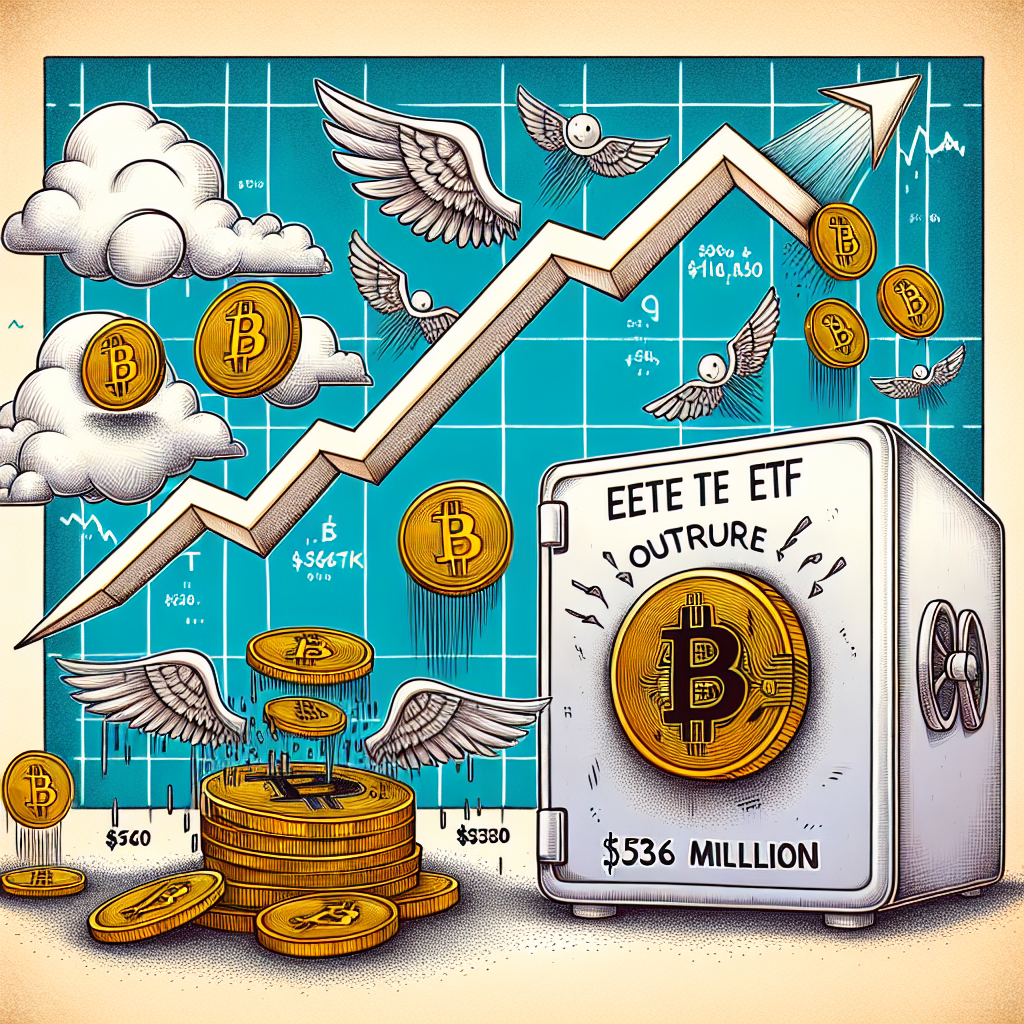
The recent decline in Bitcoin’s value is underscored by a notable $536 million outflow from Bitcoin Exchange Traded Funds (ETFs), occurring as the cryptocurrency struggles to maintain its position below the $110,000 threshold. These outflows mark the largest daily redemption since August, highlighting a potential shift in investor sentiment in what had previously been a record-breaking summer for ETF inflows. Understanding these dynamics is crucial as they reflect broader market trends and investor psychology.
Main Points
Key Point 1: Record Outflows from Major ETFs
On the recent trading day, U.S.-listed Bitcoin ETFs experienced unprecedented outflows, culminating in a net withdrawal of $536.4 million. This trend hints at shifting investor confidence as both BlackRock’s iShares Bitcoin Trust and Fidelity’s FBTC noted significant decreases of $29 million and $132 million, respectively. Such figures indicate a startling reversal from the prior weeks, where inflows had been consistently high. This outflow is significant for ETF issuers and could potentially alter future strategies as investor behavior evolves.
Key Point 2: Broader Market Influence and Sentiment
The outflows are occurring in a broader context of market volatility, where Bitcoin has faced substantial pressure, dipping from a high of around $126,000. Influences from global economic factors, including macroeconomic risks and trends in equity sensitivity, have led market analysts, like those at Citi, to note Bitcoin’s heightened sensitivity to traditional equity markets. This recent sell-off may be interpreted as a strategic repositioning by investors adjusting their portfolios in light of increasing macroeconomic volatility.
Key Point 3: The Impact of Futures Liquidation
According to industry analysts, including those from Glassnode, the recent Bitcoin sell-off can also be characterized as a necessary reset after a pronounced period of futures liquidation involving leveraged positions. This massive deleveraging has had cascading effects on the market, leading to further sell-offs. An environment where such volatility prevails can influence investor decisions, prompting them to withdraw funds from ETFs as they seek to mitigate risk in a turbulent market.
Key Point 4: Outlook for Bitcoin and ETFs
Despite current outflows, analysts maintain a measured perspective on Bitcoin’s value trajectory. Some experts, notably from Citi, continue to project a year-end target for Bitcoin at $133,000, suggesting that institutional participation via ETFs remains strong. As market participants reassess their positions in the wake of recent volatility, understanding the intricacies of ETF flows and investor sentiment will be essential for navigating this dynamic landscape.
Additional Insights
Investors should consider the following strategies in response to the current trends:
- Portfolio Diversification: With ongoing volatility in the cryptocurrency market, diversifying investments across different asset classes may help mitigate risk. This strategy could involve balancing crypto holdings with traditional equities and bonds.
- Market Analysis: Staying informed about macroeconomic indicators can provide insights into potential shifts in market sentiment, ongoing regulatory discussions, or upcoming ETF adjustments. Engaging with analytical tools and resources could enhance decision-making processes.
Want to Know More?
If you’re interested in understanding the performance of other cryptocurrencies or want to stay updated with the latest market trends, check out these posts:
- CoinDesk 20 Performance Update: Index Plummets 6.2%
- Ethereum’s Fusaka Rolls Out on Sepolia; Hoodi Testnet Up Next
Conclusion
The recent $536 million outflow from Bitcoin ETFs highlights the shifting tides of investor sentiment in response to Bitcoin’s performance below $110K. Market dynamics influenced by wider economic concerns and the implications of futures liquidation signal the need for investors to adapt and reconsider their strategies in an evolving landscape. Continued monitoring of trends and market signals will be essential for making informed investment decisions in the future.
