


Introduction
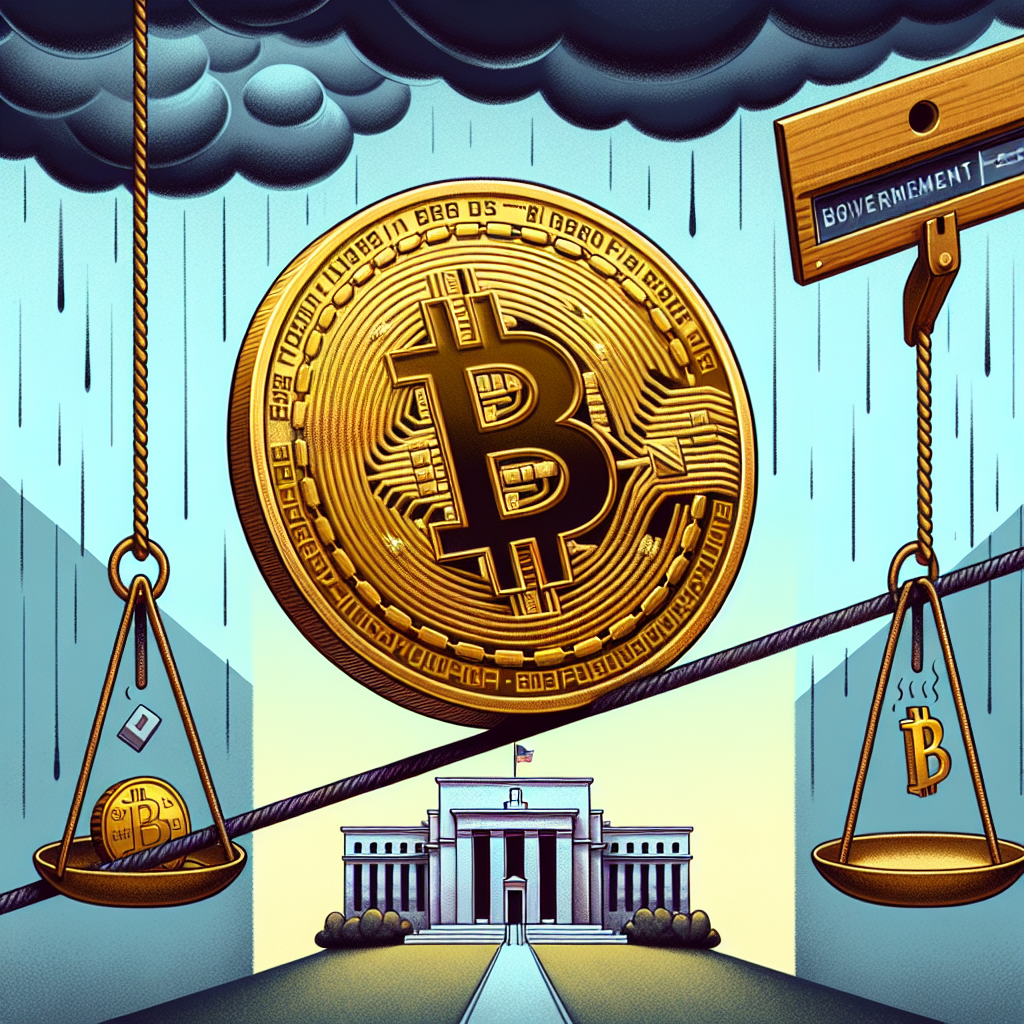
Bitcoin has recently fallen below $88,000, a significant price point that raises concerns about the stability of the cryptocurrency market. This downturn coincides with potential risks of a government shutdown and the upcoming decision from the Federal Reserve regarding interest rates. Such macroeconomic factors can lead to increased volatility and uncertainty in financial markets, affecting trader sentiment and investment decisions. Understanding this situation is crucial for anyone involved in crypto trading.
Main Points
Key Point 1: Market Sentiment and Trading Conditions
The recent decline in Bitcoin’s price is indicative of a fragile market sentiment. Over the past week, tensions have escalated not only due to a looming government shutdown but also because significant political debates may impact liquidity. Investors are on edge, monitoring government negotiations closely, as historical trends suggest that political instability can lead to significant price drops in cryptocurrency markets. In the past, similar situations have led to increased selling pressure on Bitcoin, and this may happen again, with traders adjusting their positions in response to the growing uncertainty.
Key Point 2: Impact of U.S. Government Shutdown Risk
Political maneuvering in the U.S. Congress has raised the stakes for markets, especially with a potential government shutdown becoming increasingly plausible. Recent statements from key lawmakers indicate that disagreements over budget allocations could lead to a stalemate. As seen in earlier instances, such a shutdown often results in reduced liquidity and heightened investor anxiety, which can adversely affect Bitcoin and other major cryptocurrencies. Positions in leveraged trading may also face liquidation, compounding the downward pressure on prices.
Key Point 3: The Federal Reserve’s Role
The Federal Reserve’s upcoming rate decision is another critical factor influencing Bitcoin’s price trajectory. With inflation concerns prevailing, market participants are closely monitoring any hints regarding potential interest rate hikes or further quantitative easing. A decision to maintain stable rates may not quell uncertainties related to macroeconomic factors but could provide temporary relief to crypto markets. Traders tend to closely follow the Fed’s announcements since they can trigger immediate reactions in Bitcoin prices based on market expectations.
Key Point 4: Volatility and Liquidations in Crypto Markets
The volatility in crypto markets has led to the liquidation of numerous leveraged positions during the recent downturn. Over $1 billion in leveraged trades have been closed out, reflecting a significant risk appetite among traders during this turbulent period. Notably, Bitcoin futures have experienced high liquidation rates, which can create a feedback loop leading to further price declines. As the situation unfolds, monitoring such trends is essential for understanding the broader market implications and preparing for further volatility.
Additional Insights
In navigating this challenging landscape, here are some proactive tips for traders and investors:
- Maintain a Diversified Portfolio: Don’t concentrate your investments solely in Bitcoin; consider diversifying into stablecoins or altcoins to reduce risk.
- Watch Economic Indicators: Stay informed about important economic indicators beyond Bitcoin, such as inflation rates or employment data, that may influence the Federal Reserve’s decisions.
Want to Know More?
For further reading, explore our articles on Ethereum Firm Acquires Jet Engines Amid Tokenization Transformation and Ethereum Foundation Elevates Post Quantum Security to Priority Status. These pieces provide more context to the evolving cryptocurrency landscape and related developments.
Conclusion
In summary, Bitcoin slipping below $88,000 amid governmental shutdown risk and the anticipation of the Federal Reserve’s first rate decision could indicate an increasingly volatile market. With multiple factors contributing to the sentiment amongst traders, it’s critical to adopt a cautious yet informed approach to investing in this unpredictable environment. Staying updated on political and financial developments will be key to making informed decisions moving forward.
