


Introduction
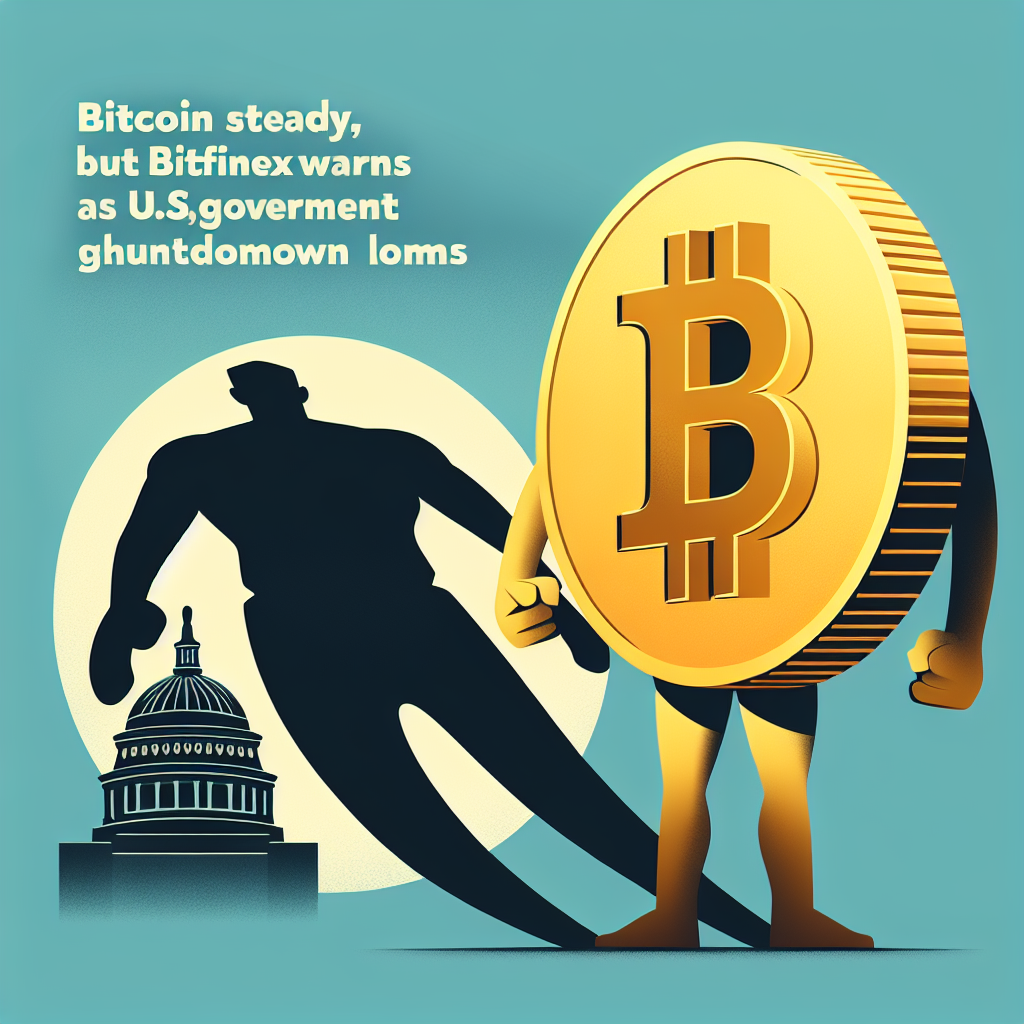
In a turbulent market, Bitcoin has shown resilience despite warnings from Bitfinex regarding potential downside risks associated with an impending U.S. government shutdown. The significance of this development is important as it could impact cryptocurrency trading and regulatory environments. Investors and enthusiasts alike must stay alert, as a government hiatus could delay vital economic data, consequently influencing Bitcoin’s market performance.
Main Points
Key Point 1: Government Shutdown Implications
The looming government shutdown poses serious uncertainties for the cryptocurrency space. Federal agencies, including the Securities and Exchange Commission (SEC) and the Commodity Futures Trading Commission (CFTC), are expected to halt their activities, which may lead to delays in regulatory actions concerning cryptocurrencies. Investors depend on regulatory clarity to make informed decisions. A shutdown could mean that ongoing rulemaking efforts might stagnate, which further exacerbates investor apprehension. The inability to advance regulatory measures leaves market participants in a state of limbo, heightening the potential for market fluctuations.
Key Point 2: Bitcoin’s Recent Performance
Despite the chaos surrounding the government shutdown, Bitcoin has managed to maintain a relatively stable position. It reported a slight uptick in value, finishing just above $114,000 after initially dipping. This fluctuation showcases Bitcoin’s ability to rebound after minor declines, suggesting underlying strength in the market. However, as analysts at Bitfinex have indicated, Bitcoin’s stability remains under threat, with potential adverse effects from a longer shutdown creeping into the narrative. Investors must carefully assess these dynamics when making trading decisions.
Key Point 3: Broader Market Effects
The anticipated shutdown will not only impact Bitcoin but could also trigger a wave of volatility across the entire cryptocurrency sector. With traditional markets often reacting to economic indicators and regulatory news, any delays in data releases such as employment figures or inflation reports may lead to significant uncertainty. Market analysts are emphasizing that a loss of confidence in governmental operations could affect various assets, including Bitcoin and altcoins, resulting in potential declines. Stakeholders in the crypto space need to brace themselves for unpredictable market behavior during this period.
Key Point 4: Investor Sentiment and Market Trends
Investor sentiment is crucial during times of uncertainty. The market’s reaction to the anticipated government shutdown illustrates the fragility of current conditions. Confirming signs of market weakening, Bitfinex analysts have noted a trend where Bitcoin is undergoing a consolidation phase following its recent highs. This situation is further complicated by the potential for a protracted shutdown, which could accelerate investors pulling back from U.S. assets. Keeping a watchful eye on economic developments will be essential for navigating the markets in the coming weeks.
Additional Insights
In light of the current situation, investors might consider the following strategies to navigate the market:
- Diversify Your Portfolio: Invest in a mix of assets, not just Bitcoin, to withstand potential market downturns.
- Stay Informed: Regularly check updates related to government proceedings and regulatory news, as these could dramatically impact market conditions.
Want to Know More
If you’re interested in diving deeper into the cryptocurrency landscape, check out our articles on IBIT’s Options Market Elevates Bitcoin ETF Dominance and Crypto Markets: Warning Signals as Bitcoin’s Strongest Month Approaches.
Conclusion
As the U.S. government shutdown looms, Bitcoin’s current steadiness comes with cautionary notes from Bitfinex. The potential ripple effects on the crypto landscape showcase the intricate connections between market confidence and regulatory operations. Investors should remain vigilant as these dynamics evolve, keeping abreast of changes that could impact their investment strategies.
