


Introduction
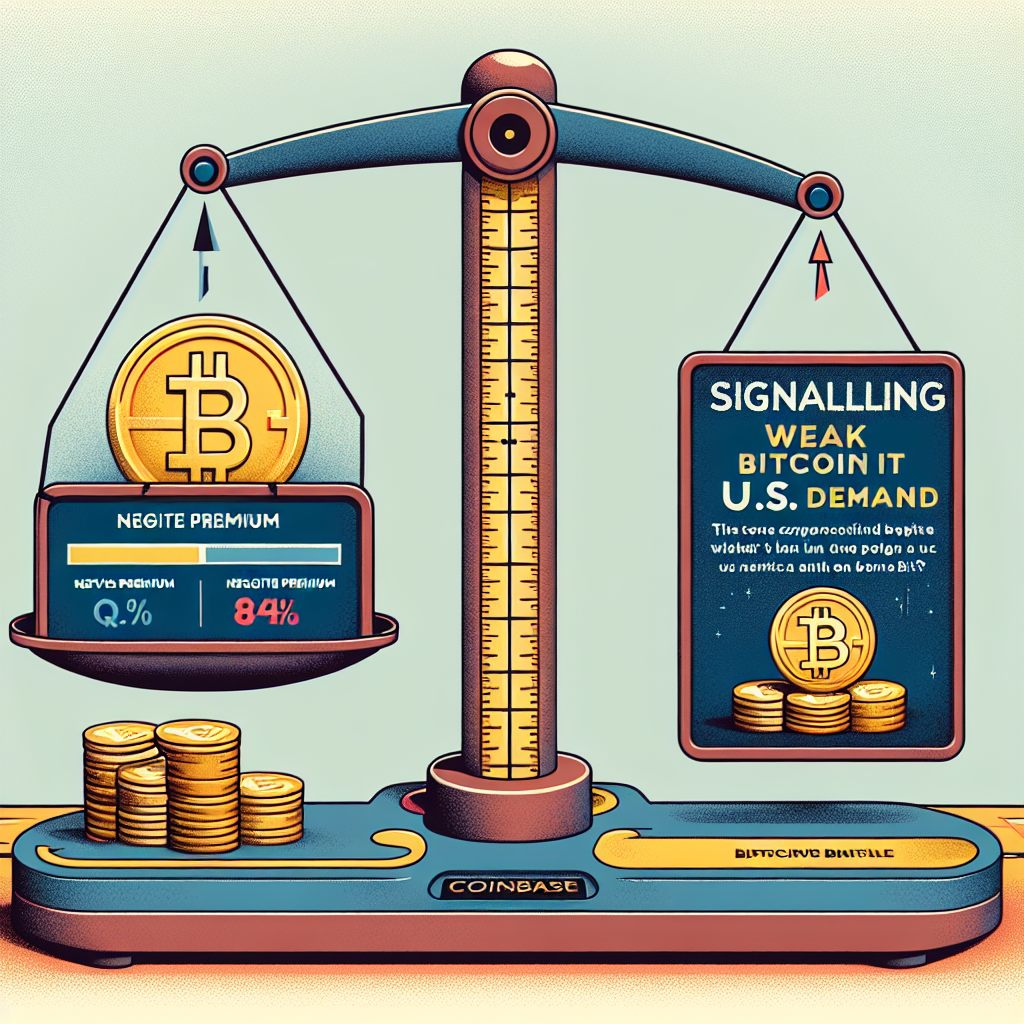
The recent decline in Coinbase’s Bitcoin premium index highlights a significant trend in the cryptocurrency market. Reaching its widest discount since the first quarter of the year, this negative premium is an alarming indicator of weak demand among U.S. investors. Understanding these dynamics is crucial, as they could shape future market movements and investor strategies.
Main Points
Key Point 1: Understanding the Coinbase Bitcoin Premium
The Coinbase Bitcoin Premium Index measures the price difference between Bitcoin traded on Coinbase and its global market average. Currently, this index has dipped to a negative divergence of -0.15%, a stark indication that Bitcoin is trading for less on Coinbase compared to other platforms. This trend reflects persistent caution among U.S. institutional investors, suggesting a lack of confidence in the current market.
Such negative readings demonstrate a trend where investors may be opting to sell rather than buy, reflecting broader market sentiments. Following the substantial losses in Bitcoin’s price, which recently saw drops below $81,000, this pattern of diminishing demand becomes clearer. It exemplifies not just local, but potentially global hesitance toward Bitcoin investments in uncertain economic climates.
Key Point 2: Implications of Declining ETF Activity
The recent trading volume in U.S. spot Bitcoin ETFs has revealed notable trends. Despite an overall negative sentiment, Friday recorded an inflow of $238.4 million into these funds, marking a turning point. Prior to this influx, Bitcoin ETFs experienced consistent outflows; this slight resurgence indicates that some investors might still be seeking opportunities amidst the volatility.
This shift potentially hints at a capitulation point in the market, often seen before a rebound. As trading volumes reached a staggering $11.5 billion, it’s essential to consider whether this temporary spike signifies a deeper shift in trend or merely a fleeting response to historical lows.
Key Point 3: The Market’s Reaction to Bitcoin Price Volatility
Bitcoin’s recent price fluctuations have not only impacted direct trading but also the broader ecosystem surrounding it. As the cryptocurrency approaches its lowest levels since March, coupled with significant realized losses exceeding $4 billion, the market is reacting with mixed signals. The widespread anticipation of capitulation raises questions about long-term investor strategies.
Experienced investors often see such downturns as an opportunity to re-enter the market at lower prices. However, a cautionary approach is warranted, as historical data indicates that price recovery can be slow and oscillate significantly in subsequent months.
Additional Insights
As the cryptocurrency landscape shifts, investors should consider diversifying their portfolios. Holding a mix of assets that includes traditional stocks alongside cryptocurrencies can help mitigate risk during turbulent times. Regularly reviewing investment choices and consulting with financial advisors may provide deeper insights into market trends.
Moreover, keeping an eye on upcoming regulatory changes could offer opportunities for strategic investment. Stay informed about market developments, as they could directly influence Bitcoin prices and related assets.
Want to Know More?
If you’re interested in further exploring how new developments might affect the crypto market, check out our recent posts, such as Ethereum’s Fusaka Upgrade: A New Era for Value Accrual and Dogecoin’s Struggle: Make-or-Break Zone as Bitcoin Slides 5%.
Conclusion
The current state of Coinbase’s negative premium is a clear reflection of weak U.S. demand for Bitcoin. As market conditions evolve, monitoring these indices and understanding investor sentiment will be key. It’s crucial for investors to adapt strategies based on emerging trends, proactively managing portfolios in the face of uncertainty.
