


Introduction
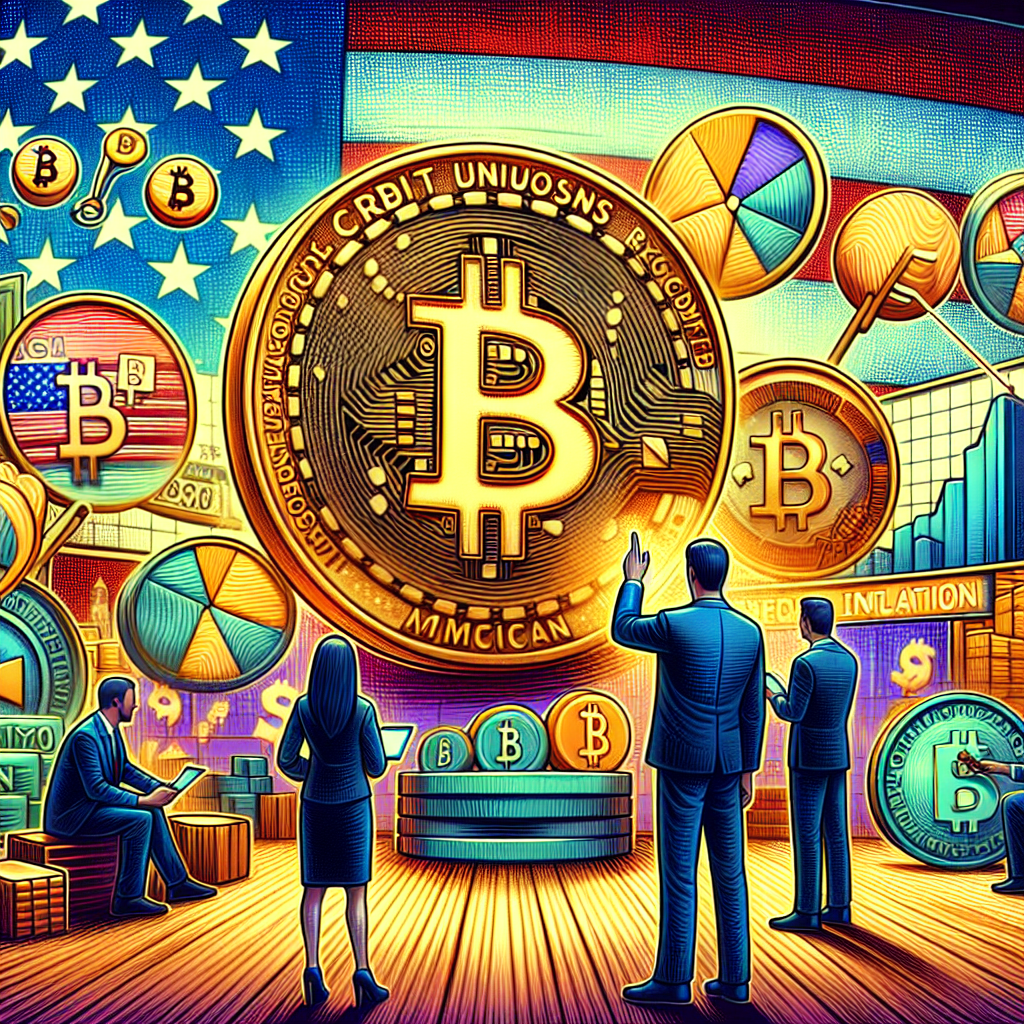
The intersection of stablecoins and the traditional banking system has become increasingly contentious, particularly with credit unions expressing opposition to stablecoin rewards. This development is significant as it highlights a clash between innovation in cryptocurrency and the existing financial frameworks. Meanwhile, as bitcoin traders anticipate new data on U.S. inflation, the volatility of the crypto market hangs in the balance. Understanding these dynamics is crucial for investors navigating the evolving landscape of cryptocurrency.
Main Points
Key Point 1: Credit Unions’ Opposition to Stablecoin Rewards
Credit unions across the U.S. have voiced their objections to the increasing trend of rewarding stablecoins. The primary concern is the potential risk these rewards pose to traditional financial systems, which could lead to a destabilization of the banking industry. Credit unions are advocating for regulations that better govern the use and rewards of stablecoins to protect consumers and maintain the integrity of the financial ecosystem. As this discourse evolves, it demonstrates how institutions grapple with the implications of digital currencies on their business models.
Key Point 2: The Bitcoin Market and Inflation Data
The cryptocurrency market is currently under close watch as bitcoin traders look for new insights from upcoming U.S. inflation data. These economic indicators play a pivotal role in determining investor sentiment within the crypto space. High inflation can evoke uncertainty among investors, often resulting in increased volatility of bitcoin prices. Traders utilize these data points to assess market trends and make informed trading decisions. Understanding this correlation can be detrimental for traders looking to optimize their investments amid fluctuating economic conditions.
Key Point 3: The Role of Regulatory Frameworks
The dialogue surrounding stablecoins often revolves around the need for robust regulatory frameworks. Credit unions argue that clear regulations can help bridge the gap between traditional finance and the growing digital currency landscape. By establishing guidelines around the issuance and rewards of stablecoins, regulators can foster a safer environment for both consumers and institutions. This emphasis on regulation indicates a shift towards a more structured approach to cryptocurrency, which could benefit all stakeholders involved.
Key Point 4: Market Reactions to Economic Indicators
As economic indicators are released, the bitcoin market often reacts swiftly. For instance, data suggesting higher inflation rates may trigger selling pressure as investors fear reduced purchasing power. Conversely, positive economic signals may lead to a buying frenzy as traders look to capitalize on potential growth. This dynamic reflects the intricate relationship between macroeconomic conditions and cryptocurrency prices, underscoring the need for traders to stay informed about economic developments.
Additional Insights
It’s essential for traders and financial institutions alike to adapt to the rapidly changing landscape of cryptocurrency. Here are some recommendations:
- Stay Informed: Regularly check for updates on regulatory changes surrounding stablecoins and cryptocurrency market trends.
- Diversify Investments: Consider diversifying between traditional assets and cryptocurrencies to better manage risk in your portfolio.
Want to Know More
If you’re interested in exploring similar topics, check out these articles: Vitalik Buterin Introduces ‘Walkaway Test’ for Quantum Safe Ethereum and BitMine Grows Its ETH Holdings by 24,000 but Faces Challenges. These pieces provide further insights into the intersections of innovation and market dynamics.
Conclusion
In summary, the rejection of stablecoin rewards by credit unions reflects significant concerns regarding the implications for financial stability. Meanwhile, bitcoin traders remain vigilant as they navigate the volatility tied to economic indicators like inflation data. These developments illustrate the complex relationship between cryptocurrency, traditional finance, and the regulatory landscape, emphasizing the importance of remaining informed and adaptable in this evolving realm.
