


Introduction
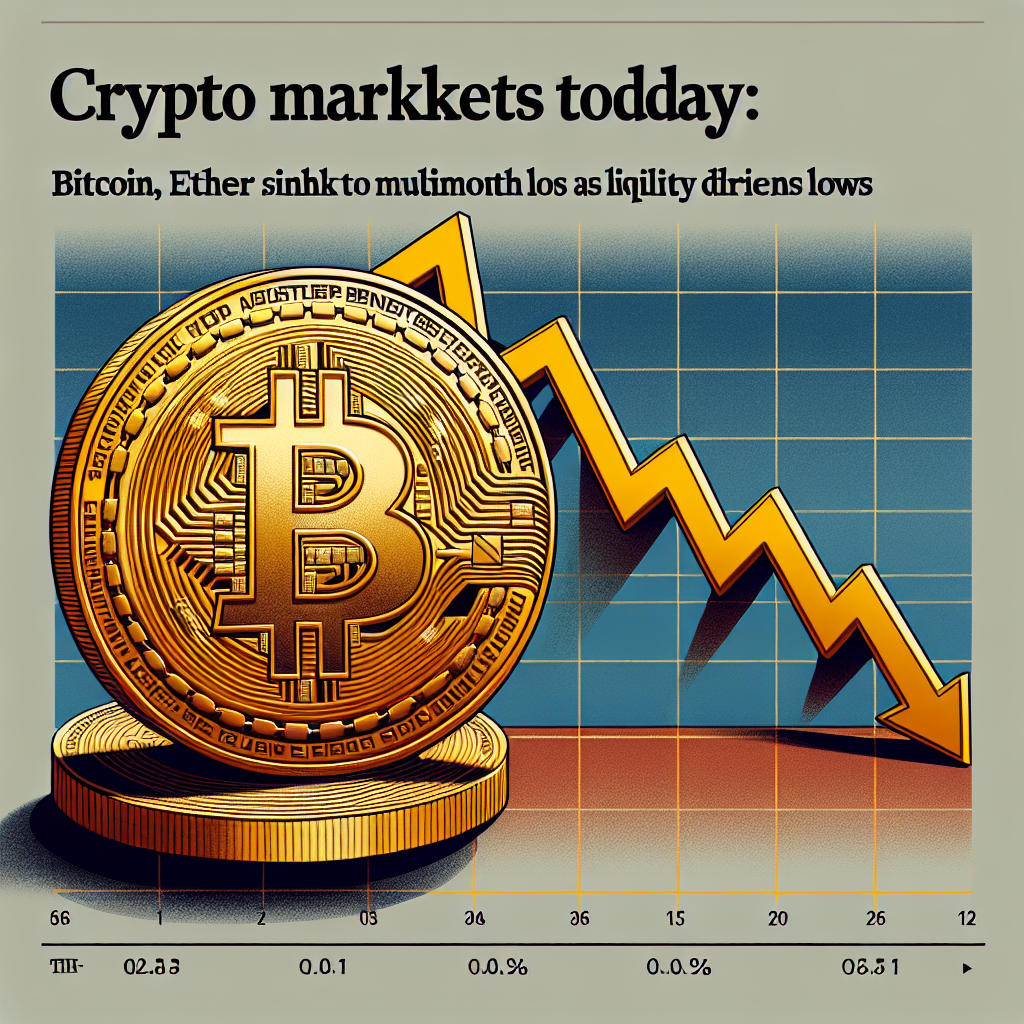
The cryptocurrency market is facing turbulent times as both Bitcoin and Ether have plummeted to their lowest values in several months. This decline has raised concerns among investors, especially as liquidity conditions worsen. Understanding the implications of these drops is crucial for traders and enthusiasts alike, as it reflects broader trends in the market and potential future movements.
Main Points
Key Point 1: Price Movements
Recent market activity has seen Bitcoin fall to approximately $93,400 while Ether has dipped to $3,050. This shift marks a significant downward trend, characterized by a sequence of lower highs and lower lows across various timeframes. These movements indicate a bearish market sentiment, creating a sense of urgency among traders to reevaluate their positions. Additionally, the volatility in prices is highlighted by a looming liquidation pocket at $92,840, which, if triggered, could further drive the price down to about $87,500—a jarring level of support harkening back to March.
Key Point 2: Market Liquidity
A noticeable reduction in market liquidity has exacerbated the recent price declines. As liquidity dwindles, the susceptibility to larger price swings increases, making it challenging for investors to execute trades without significant slippage. The current environment has been described as ‘extreme fear’ with a fear and greed index reading of only 17, its lowest since April, which indicates widespread uncertainty among market participants. Furthermore, the lack of liquidity is primed to continue affecting trading volumes and investor confidence, raising questions about price stability in the near future.
Key Point 3: Economic Influences
Shifting expectations surrounding monetary policy have significantly influenced market conditions. Optimism regarding a potential rate cut by the Federal Reserve has transitioned to a more cautious view, as the perception of a likely reduction in December increases. Such changes tend to have profound impacts on risk assets, including cryptocurrencies like Bitcoin. When interest rates remain high, borrowing costs rise, discouraging investment in volatile assets. Consequently, the interrelation between traditional financial policies and crypto market dynamics highlights the potential for future volatility in the space.
Additional Insights
In this challenging market landscape, it can be advantageous for traders to adopt a defensive strategy. Here are some actionable recommendations:
- Diversification: Broaden your portfolio beyond major cryptocurrencies. Consider exploring stablecoins or lesser-known altcoins that may demonstrate resilience during market downturns.
- Stay Informed: Keep a vigilant eye on economic indicators and news that may signal shifts in market sentiment. Understanding macroeconomic trends can provide valuable context for investment decisions.
Want to Know More?
If you’re interested in further exploring the dynamics influencing Bitcoin and Ethereum, check out our articles on Bitcoin Traders Eye Seasonal ‘Santa Rally’ Amid Fed Moves and Bitcoin’s $588B Range Exposes Market Vulnerabilities: 10x Research.
Conclusion
In summary, the current state of the crypto markets, with Bitcoin and Ether hitting multimonth lows, points to underlying liquidity concerns and a swiftly evolving economic backdrop. As traders navigate this milieu, understanding the interplay between liquidity and investor sentiment will be essential to make informed choices moving forward.
