


Introduction
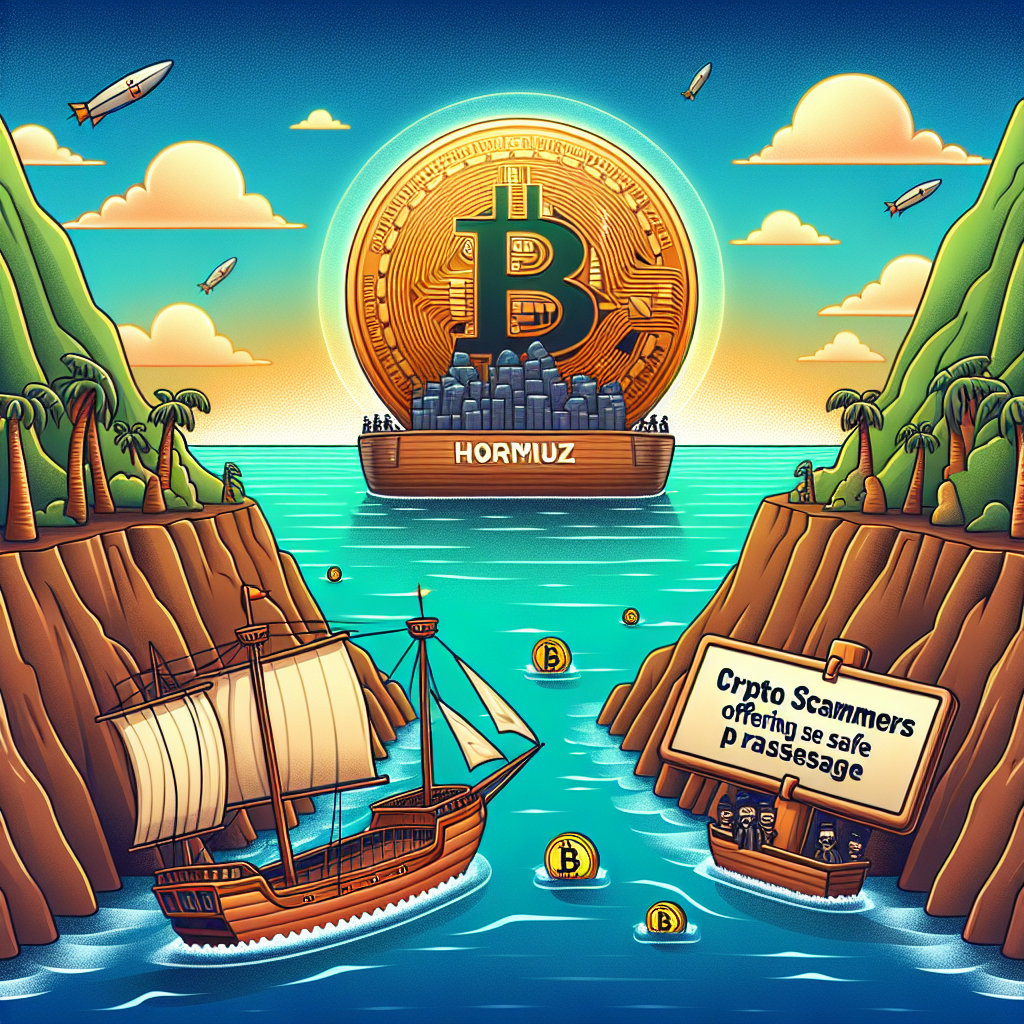
Recent reports reveal a sophisticated scam targeting maritime shipping through the Strait of Hormuz. Crypto scammers are posing as Iranian authorities, demanding payments in bitcoin and USDT for safe passage, exploiting the ongoing blockade situation. This alarming trend matters because it highlights the intersection of cryptocurrency and global maritime security, bringing both financial risks and geopolitical implications to the forefront.
Main Points
Key Point 1: The Nature of the Scam
The maritime risk management firm, Marisks, has raised concerns that shipowners have received fraudulent communications from scammers, purporting to be Iranian officials. These messages propose that vessels pay in cryptocurrency for safe transit through the strait—a vital and heavily trafficked route. The scam not only misrepresents Iranian policies but also capitalizes on the ships’ desperate need to navigate a region plagued by conflict and piracy.
Key Point 2: Real Consequences for Victims
According to Marisks, at least one ship is believed to have been conned and sustained violence during its attempt to navigate through the strait. Specifically, the vessel was reportedly fired upon—indicative of the high stakes involved. As many as 20,000 vessels remain stranded due to the Iran blockade, and the scammers’ targeting of vulnerable shipping companies poses an alarming threat to maritime safety.
Key Point 3: Iranian Government’s Position
In a convoluted backdrop, the Iranian government had previously floated the idea of implementing official crypto tolls for safe passage. While the prospect of such fees may appear legitimate, the communications flagged by Marisks were confirmed as scams. Marisks firmly stated that legitimate channels of communication for such payments were not in place.
Key Point 4: Broader Implications for the Shipping Industry
This scam serves as a stark warning for the global shipping industry regarding the vulnerabilities introduced by cryptocurrency. With the potential for additional regulations and restrictions, stakeholders must remain vigilant against phishing attempts and fraudulent schemes. Additionally, investors and ship owners alike should consider bolstering their cybersecurity protocols to mitigate risks as crypto transactions become increasingly common in logistics.
Additional Insights
As the landscape of international trade evolves, it is vital for maritime operators to adopt best practices to safeguard against scams. Here are a couple of actionable recommendations:
- Verify Communications: Always confirm the source and legitimacy of communications regarding payments or transit arrangements before proceeding.
- Invest in Training: Regular training sessions on cybersecurity and the recognition of phishing tactics can prepare crews to spot and report potential scams.
Want to Know More?
For further insights into the evolving dynamics of cryptocurrency and maritime operations, check out our posts on Bitcoin Stabilizes at $70,000 as RAVE Hits 3,400% Surge and Strategy Acquires 13,927 Bitcoin for $1 Billion via STRC.
Conclusion
The recent revelation about crypto scammers offering ‘safe passage’ through Hormuz highlights a troubling intersection of finance and maritime security. With geopolitical tensions intensifying, shipowners must remain vigilant against scams that exploit vulnerabilities in these tumultuous waters.
