

Introduction
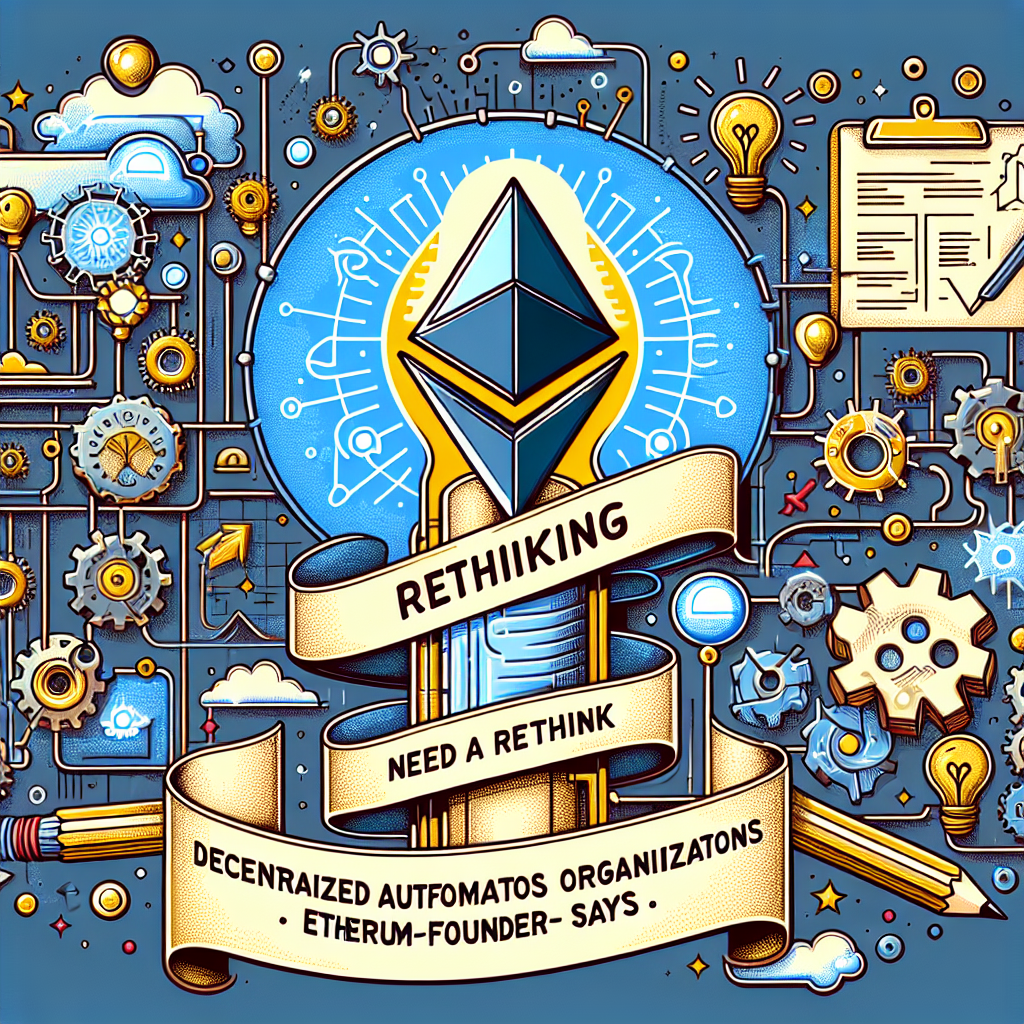
The concept of Decentralized Autonomous Organizations (DAOs) has gained significant attention in the blockchain community. Recently, an Ethereum co-founder has voiced the need for a profound reevaluation of how DAOs operate. This perspective is crucial as DAOs are intended to operate without centralized leadership, relying instead on smart contracts and community consensus. However, the challenges associated with governance, accountability, and sustainability highlight the need for innovation beyond the existing frameworks. Understanding these insights could steer the future development of these organizations in a more effective direction.
Main Points
Key Point 1: Governance Challenges
A critical issue surrounding DAOs is their governance structure. Current models often lack adequate mechanisms for accountability, leading to decision-making paralysis. For instance, while the vision behind DAOs is to democratize decision-making, the reality may see factions forming within the community, creating power imbalances. The Ethereum co-founder argues that more robust governance protocols are necessary to ensure that all voices are heard and that decisions can be made efficiently. Potential solutions could include tiered voting systems or delegation mechanisms that ensure a fair representation of community interests.
Key Point 2: Legal and Regulatory Considerations
The interaction between legal frameworks and DAOs presents another area requiring immediate attention. As DAOs operate in a gray area concerning existing regulatory environments, they often face legal uncertainties that can hinder their growth. The Ethereum co-founder suggests that engaging with regulators and framing clear legal definitions for DAOs could bolster their legitimacy and facilitate smoother operations. Developing compliance strategies that align with local laws while maintaining decentralization is vital. By doing so, DAOs can potentially avoid punitive measures that could impede their progress.
Key Point 3: Community Engagement and Sustainability
For DAOs to function effectively, consistent community engagement is necessary. However, many DAOs struggle with maintaining active participation. The Ethereum co-founder points out that innovations in incentivization could drive higher levels of involvement. This could include token rewards, gamification elements, or regular community events that encourage members to contribute. A more engaged community is not only more likely to participate in governance but also contributes to the long-term sustainability and success of the organization.
Key Point 4: Technological Integration
Another aspect needing reevaluation is the technology supporting DAOs. While many rely on Ethereum’s blockchain, there is a growing need for flexibility and interoperability between various technologies. This adaptability can empower DAOs to utilize various protocols to enhance their function. The co-founder emphasizes the importance of ongoing innovation in smart contracts and decentralized applications as foundations for more effective DAOs. By fostering an environment of continuous technological advancement, DAOs can address their shortcomings and fulfill their vision.
Additional Insights
Here are a couple of recommendations for DAO participants and developers:
- Foster Transparency: DAOs should prioritize transparency in their operations. Regular updates, reports, and open discussions can strengthen trust within the community.
- Encourage Cross-DAO Collaboration: Efforts to collaborate with other DAOs can promote knowledge-sharing and innovation, creating a more robust ecosystem.
Want to Know More?
If you’re interested in the broader implications of cryptocurrencies and their governance structures, check out our article on Bitcoin Clears $94,500: Altcoins Steal the Spotlight Today. Additionally, you can read about the critical role Ethereum plays in finance in this post: Bank of Italy Economist Sounds Alarm on Ethereum’s Financial Role.
Conclusion
The insights from the Ethereum co-founder regarding the need for a reevaluation of DAOs are both timely and essential. The challenges in governance, legal adherence, community engagement, and technological robustness highlight areas ripe for improvement. By embracing these changes, DAOs can enhance their functionality and better serve the interests of their communities while remaining true to the decentralization ethos.
Note:
Reflecting on these issues will serve as a guide for future developments in the decentralized organization realm.
