


Introduction
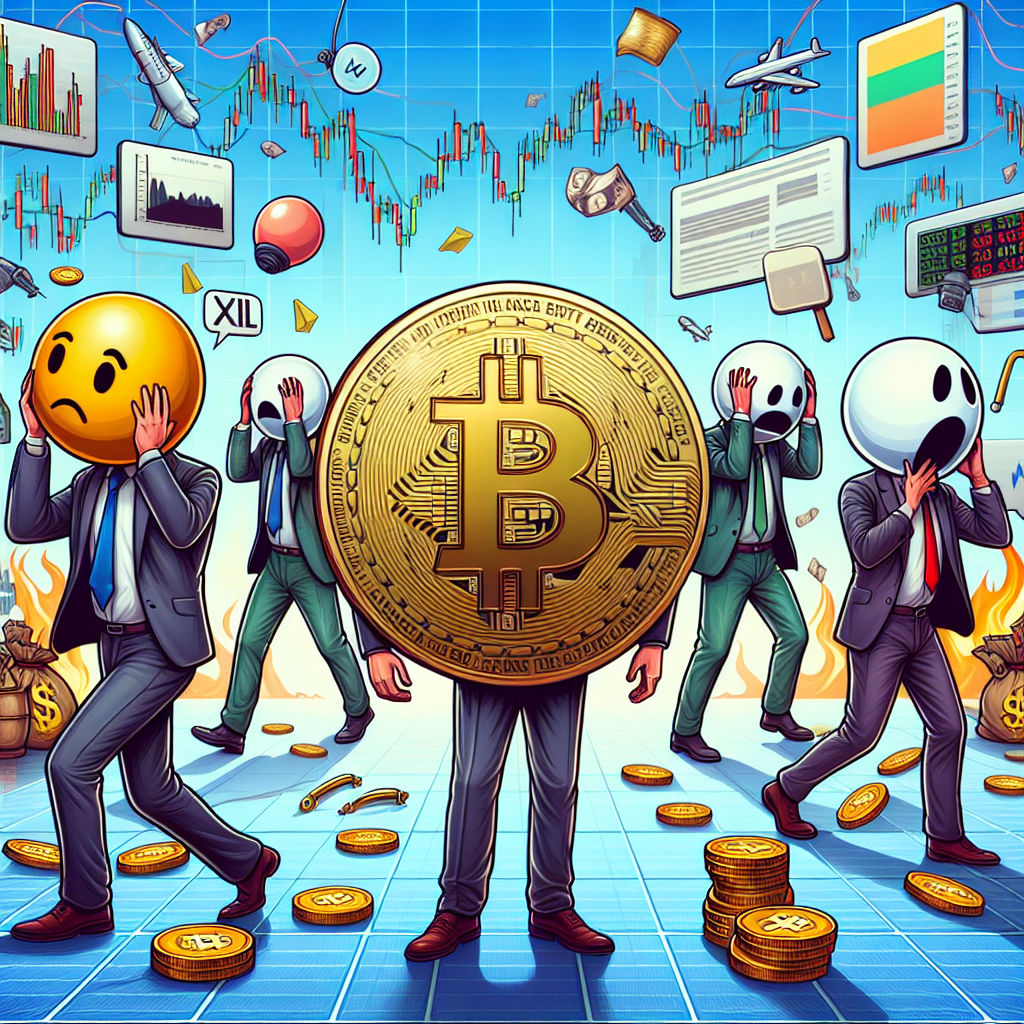
In recent weeks, traditional markets, including equity, oil, and bond sectors, have shown significant signs of panic. Investors are reacting to escalating geopolitical tensions, particularly the ongoing conflict in the Middle East. In stark contrast, Bitcoin traders have remained remarkably calm, illustrating a discerning divergence in market sentiment. This difference is crucial as it highlights the unique resilience of the cryptocurrency market, especially during periods of uncertainty.
Main Points
Key Point 1: Bitcoin’s Implied Volatility Stability
Despite the unease rippling through financial markets, Bitcoin’s implied volatility has experienced minimal fluctuation. Currently, it sustains itself between 55% and 60%. This stability suggests that crypto traders are not engaging in aggressive hedging practices like their traditional counterparts, indicating a strong sense of confidence in Bitcoin’s performance even amid chaos.
Key Point 2: Traditional Markets Experience Sharp Volatility Increases
Conversely, traditional markets have witnessed abrupt spikes in volatility indexes such as VIX, OVX, and MOVE, as investors scramble to buy protective options. For instance, the VIX, used to measure S&P 500 volatility, jumped from an average of just over 20% to 32% shortly after the Iran conflict escalated. Such reactions reflect a widespread fear among traditional investors, contrasting with the calm exhibited by Bitcoin traders.
Key Point 3: Historical Context Matters
The historical performance of Bitcoin during geopolitical uncertainties provides insight into the current scenario. An analysis has revealed that Bitcoin has consistently yielded positive returns even during various global crises since 2020. This historical context might explain the current tranquility among Bitcoin traders, who appear less perturbed by geopolitical developments, having previously experienced volatility in their asset’s price.
Key Point 4: Investor Sentiment Signals
Understanding investor sentiment is essential in these times. Volatility indexes serve as barometers of market sentiment. Currently, while traditional investors rush to hedge against potential downturns, Bitcoin’s resilience signals a broader acceptance and stability among these traders. As asset prices may fluctuate, the consistent demand for Bitcoin suggests it is becoming an increasingly reliable asset class.
Additional Insights
To maintain a stable investment atmosphere during turbulent times, it is essential for traders to remain informed and adaptable. Here are some actionable recommendations:
- Monitor Geopolitical Developments: Stay updated on international news and events that could impact market volatility.
- Diversify Investments: Consider diversifying your portfolio by including Bitcoin and other assets that behave differently under market stress.
Want to Know More?
If you’re interested in the intersection of cryptocurrency and traditional finance, check out our articles on Ethereum Foundation Sells 5,000 Ether to Tom Lee’s BitMine for $10.2 Million and Ethereum Foundation Releases New Mandate Clarifying Its Role and Principles.
Conclusion
The landscape of investment amidst geopolitical conflicts reveals stark contrasts between Bitcoin traders and those in conventional markets. While volatility grips traditional sectors, Bitcoin’s consistent stability resonates with a section of investors who prioritize resilience and long-term growth. As the situation evolves, monitoring these trends will be crucial for future investment strategies.
