


Introduction
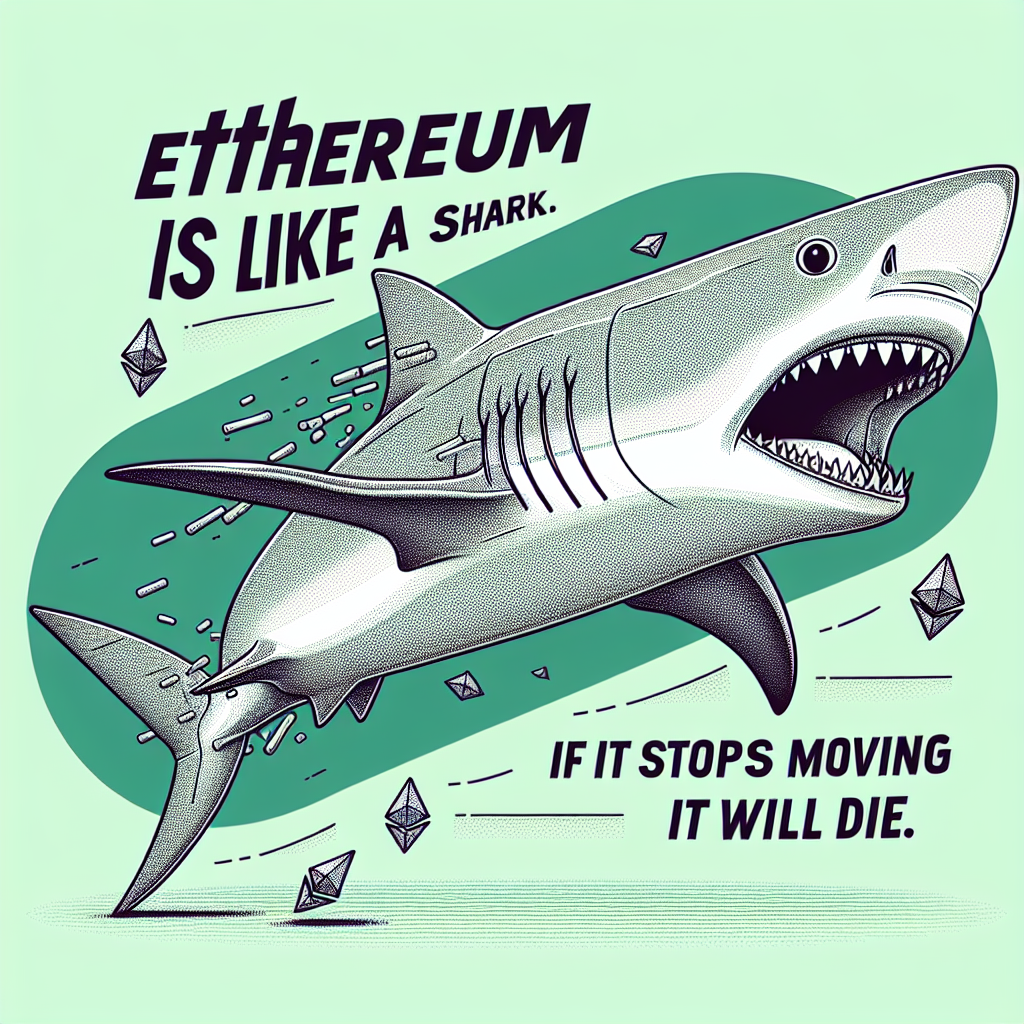
The notion that Ethereum is akin to a shark highlights the platform’s vital need for continual movement and evolution in the fast-paced cryptocurrency market. As Ethereum remains a leader in various sectors like asset tokenization and decentralized finance, its ability to adapt to new challenges will determine its longevity. This comparison emphasizes that without continuous innovation and responsiveness to market dynamics, Ethereum risks losing its competitive edge.
Main Points
Key Point 1: The Importance of Innovation
To maintain its status, Ethereum must prioritize constant innovation, much like a shark needs to swim to survive. The upcoming Fusaka upgrade exemplifies Ethereum’s commitment to enhancing its infrastructure, targeting improvements in speed and transaction capacity that could draw institutional interest. With these upgrades, Ethereum aims to process thousands of transactions per second, preventing the lag that has long detracted from its appeal.
As financial institutions weigh their choices for blockchain technology, they look for networks that can scale efficiently. If Ethereum can leverage advancements like Fusaka to support higher throughput, it stands to solidify its position in the evolving crypto landscape.
Key Point 2: Institutional Preferences
Ethereum has established itself as the preferred platform for asset tokenization, decentralized applications, and stablecoin creation thanks to its ecosystem’s maturity. Institutional investors favor networks that demonstrate reliability, security, and a robust developer community. Ethereum excels in this regard, boasting a vibrant ecosystem with extensive tooling and talent availability.
However, competitors like Solana have captured significant developer interest, raising concerns about Ethereum’s ability to keep pace. Institutions prioritize uptime and consistency, which Ethereum has maintained amidst the fluctuating market. Its continuous upgrades are crucial to retaining institutional trust.
Key Point 3: The Urgency of Scaling
The scaling dilemma continues to be a pressing issue for Ethereum. Despite plans for enhancements, the reality is that Ethereum’s capacity to handle increased transaction volume is lagging behind that of emerging competitors. This scaling inadequacy is akin to a shark’s stillness—it risks losing relevance.
This urgency underscores the need for Ethereum to implement solutions that can effectively address this vulnerability, ensuring that it can meet growing market demands while fending off competition from new blockchains that gain traction among developers.
Additional Insights
To avoid stagnation, Ethereum developers must focus on:
- Enhancing Communication: Bridging the gap between developers and institutional partners will foster collaboration and innovation.
- Community Engagement: Actively involving the community can lead to organic growth and innovative ideas, reinforcing Ethereum’s ecosystem.
Want to Know More?
If you’re interested in understanding related trends in the crypto space, consider exploring these articles:
- Bitcoin Cash Surges Above $550 as Volume Rises, Solidifying Support
- Core Scientific Upgraded to Outperform Following Failed CoreWeave Merger: Macquarie
Conclusion
In summary, the analogy of Ethereum as a shark serves as a poignant reminder of the necessity for ongoing adaptation and growth in the cryptocurrency market. By embracing technological advancements and strengthening institutional relationships, Ethereum can secure its place at the forefront of blockchain innovation. Like a shark that keeps moving to survive, Ethereum must continue to evolve to avoid obsolescence.
