


Introduction
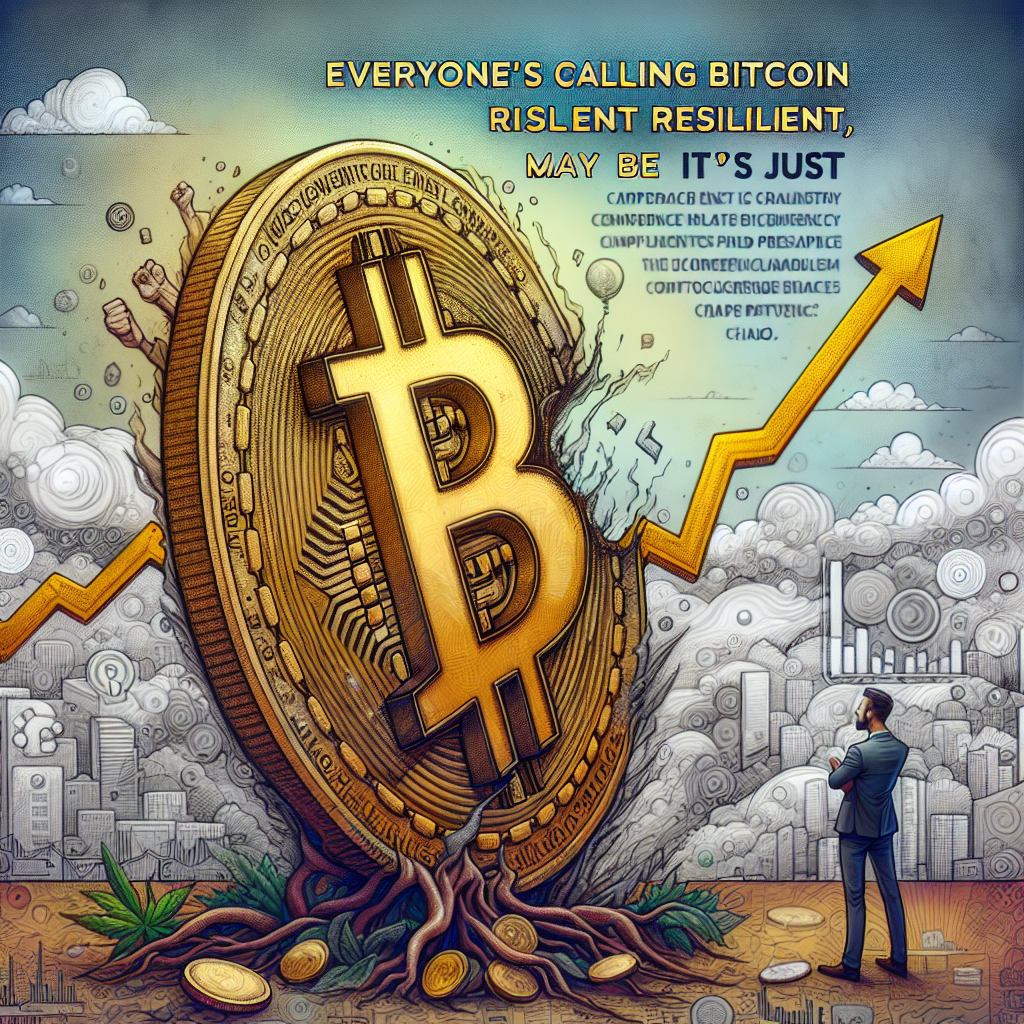
Everyone’s calling bitcoin resilient; may be it’s just complacent. This notion is rising amid a backdrop of global uncertainty, including geopolitical tensions and economic inflation. Bitcoin has become a focal point not only for investors but also for analysts who debate its true nature in the face of recent market movements. Understanding whether bitcoin is genuinely showing resilience or merely demonstrating complacency could significantly influence trading strategies and investment decisions going forward.
Main Points
Key Point 1: The Current Trading Range
Bitcoin has recently been trading within a narrow range, with the price hovering around $69,103.76. This stability may seem like resilience to some; however, an examination of other markets reveals a different narrative. Despite various external pressures, including conflicts in Iran and fluctuating oil prices, bitcoin’s implied volatility index has decreased by 7% to 54%. This reduction suggests a level of market complacency, as traders may not fully be accounting for potential risks. A collapse in this complacency could lead to abrupt market corrections, challenging traders to reconsider their positions.
Key Point 2: The Oil Market’s Influence
The surge in oil prices, which increased by 37% this month, casts a shadow on bitcoin’s supposed strength. Analysts are forecasting a possible climb to $200 per barrel, a scenario that would likely spur higher inflation rates. With such economic stress looming, the bitcoin market appears unreactive, raising questions about whether traders are overly complacent about potential macroeconomic impacts. The correlation between energy prices and cryptocurrencies cannot be ignored, as volatility in one often triggers responses in the other.
Key Point 3: The Treasury Market Dynamics
Currently, the U.S. Treasury market shows a stark increase in volatility, as indicated by the MOVE index, which has risen to 98.00—a 33% increase. Historically, increased volatility in U.S. debt signifies tighter credit conditions globally. In contrast, bitcoin’s implied volatility remains low. This divergence suggests a misalignment of market expectations; while traditional markets brace for increased uncertainty, bitcoin traders maintain a sense of calm. This incongruence may lead to a eventual shock to the bitcoin market when realities catch up to trader expectations.
Additional Insights
Analyzing the current situation also leads to actionable insights for bitcoin investors:
- Diversify Investments: To mitigate risks associated with potential complacency in bitcoin, consider diversifying into altcoins or traditional assets that may perform well in volatile conditions.
- Stay Informed: Continuous monitoring of geopolitical developments and economic indicators is crucial. Being aware of external factors that impact the market can help in making timely investment decisions.
Want to Know More?
For more insights into bitcoin’s performance amid geopolitical crises, read our posts:
- Bitcoin Hash Rate Plummets Amid Rising Energy Prices from Iran Conflict
- Bitcoin Drops to $72,300 Amid Iran Tensions and Inflation Woes
Conclusion
Ultimately, the debate over whether bitcoin’s current behavior is genuine resilience or mere complacency is crucial for investors. As global tensions and economic pressures mount, being aware of underlying risks is essential. Investors should remain alert and adjust their strategies accordingly, as the market conditions may shift quickly from stability to volatility.
