


Introduction
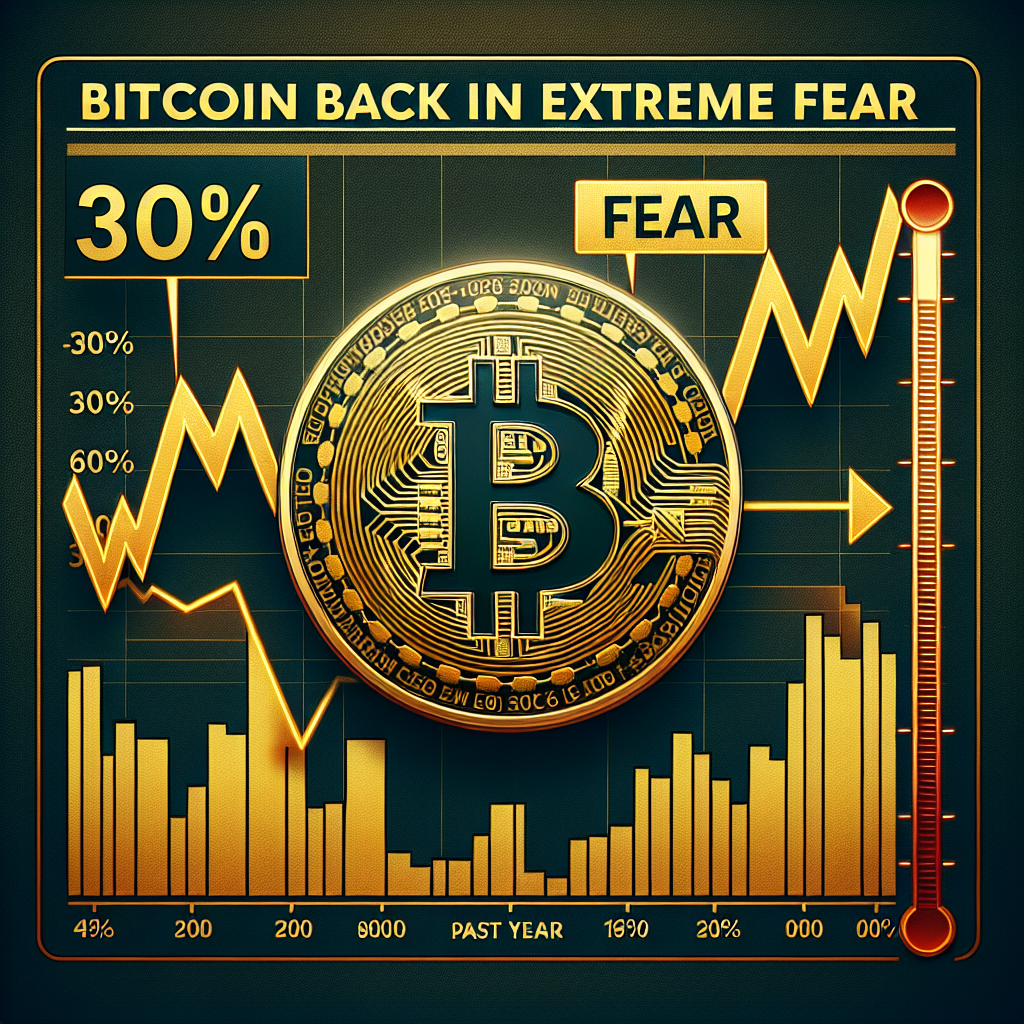
The Fear and Greed Index serves as a vital tool for gauging market sentiment, especially in the volatile world of cryptocurrencies. Currently, this index reveals that the market has been in a state of fear for over 30% of the past year, leading Bitcoin, the leading cryptocurrency, back to a zone of extreme fear. Understanding this index is essential, as it influences investor behavior, which can impact the price of Bitcoin and other cryptocurrencies.
Main Points
Key Point 1: Understanding Market Sentiment
The Fear and Greed Index effectively categorizes market emotions into two primary states: fear and greed. Recent analytics indicate that fear dominated market sentiment after Bitcoin experienced a significant drop from its all-time high in October 2025. During such fear-driven times, investors may hesitate to invest, as caution prevails over optimism. A historical context shows that prolonged periods of fear can often signal potential buying opportunities, as the market tends eventually to recover.
Key Point 2: Bitcoin’s Price Performance
As highlighted, Bitcoin’s price fluctuates drastically, often correlating with the Fear and Greed Index. Currently priced at approximately $89,941.03, Bitcoin is nearly 30% below its previous all-time high, reflecting investor concern. This significant drop follows a death cross event in November 2025, where short-term moving averages fell below long-term averages, typically viewed as a bearish signal. Such events have historically marked local price bottoms, giving traders insights into potential recoveries.
Key Point 3: Fear’s Impact on Other Assets
The effects of fear are not confined to Bitcoin alone; they ripple throughout the entire cryptocurrency market. With Bitcoin’s slip into extreme fear, we see altcoins react similarly, showcasing their volatility. For instance, notable cryptocurrencies such as Ethereum and popular altcoins also exhibit price declines during these fear-driven atmospheres. Investors are advised to be cautious and consider diversifying their portfolios during such periods, as this may mitigate risks associated with market downturns.
Key Point 4: Technical Analysis and Future Outlook
Technical indicators, like the Fear and Greed Index, play a pivotal role in forecasting market trends. For example, the recent fear readings suggest that a rebound might occur once sentiment shifts toward optimism. Analysts often caution that fear can drive prices lower, creating potential buying opportunities. Investors should remain aware of market dynamics, conduct thorough research, and not let fear govern their investment decisions.
Additional Insights
To navigate periods of extreme fear, here are a few actionable tips:
- Stay Informed: Constantly update yourself about market trends and performance metrics to make informed decisions.
- Diversify Investments: Consider spreading your investments across various assets to reduce risk exposure during downturns.
These strategies can help mitigate the risks associated with emotional trading and market volatility.
Want to Know More?
If you’re interested in exploring related topics, check out our posts on XRP Lands on Solana and Ethereum: A Major Boost for Ripple and Bitcoin Rebounds to $93K From Post-Fed Lows but Altcoins Struggle.
Conclusion
In summary, the current state of the Fear and Greed Index indicates a significant period of fear in the cryptocurrency market, with Bitcoin significantly impacted. By understanding these dynamics, investors can make more informed decisions, leveraging fear as a potential opportunity rather than a deterrent. Keeping an eye on sentiment can provide crucial insights into market movements and enhance trading strategies.
