


Introduction
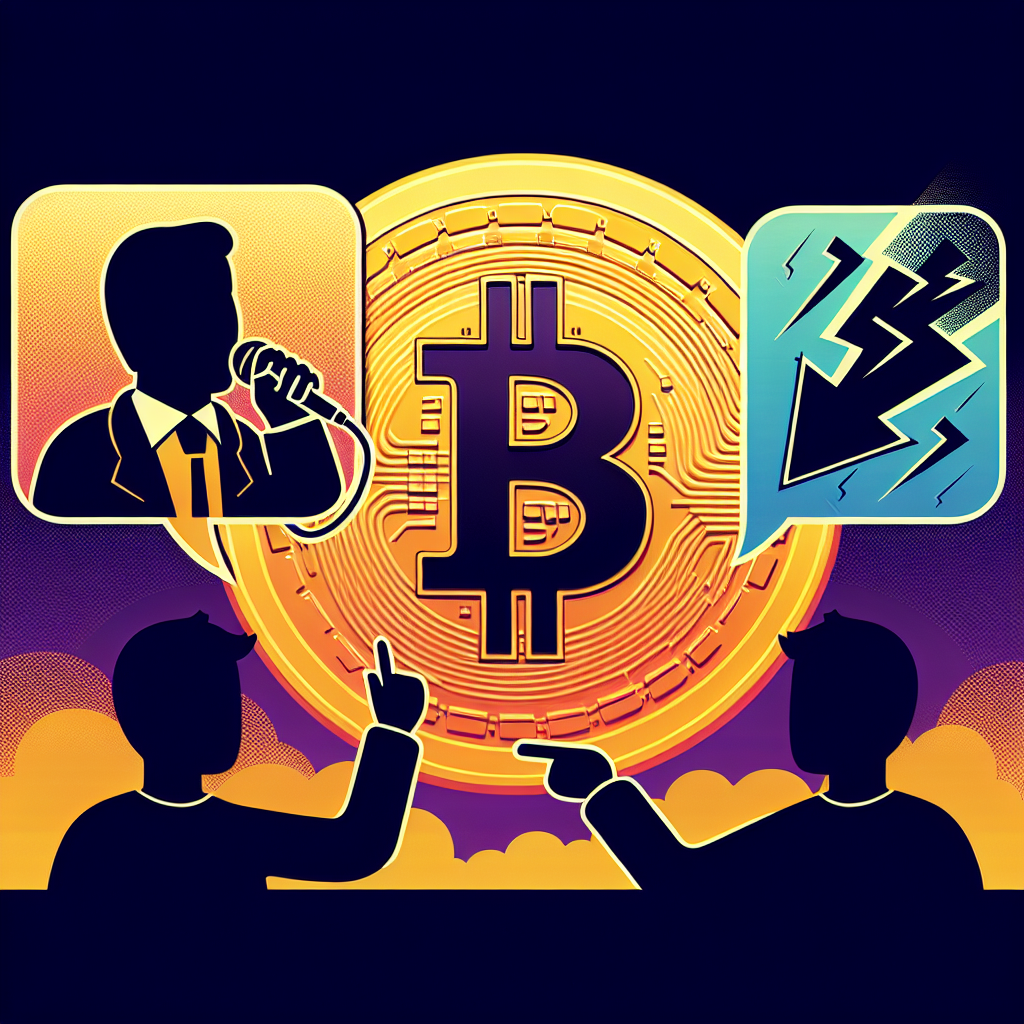
In a recent controversy, Star Xu, the founder of OKX, one of the largest cryptocurrency exchanges, has attributed the significant crash in Bitcoin’s price this past October to actions taken by Binance. This assertion is crucial as it surfaces amidst ongoing discussions regarding market stability and exchange accountability, especially following the considerable financial turmoil experienced by traders. It highlights the interconnected nature of cryptocurrency exchanges and their impact on market dynamics.
Main Points
Key Point 1: Blame on Leverage Loops
Star Xu argues that the severe selloff was exacerbated by leverage loops created around USDe, a yield-bearing token issued by Ethena. He suggests that traders were misled to treat USDe as a cash equivalent, which resulted in a dangerous cycle of borrowing and trading. By taking advantage of seemingly attractive yields, many traders unknowingly entered a precarious situation that magnified their risks. When the market initially declined, this over-leveraged trading structure caused a chaotic liquidation chain reaction, leading to a dramatic price drop in Bitcoin and other cryptocurrencies.
Key Point 2: Contrasting Perspectives on Market Dynamics
Critics of Xu’s viewpoint, including Haseeb Qureshi from Dragonfly Capital and representatives from Binance, argue that the crash was primarily a macroeconomic event. They contend that market volatility is not solely attributed to a single token or exchange but is instead a manifestation of broader market conditions, including liquidity issues and overall investor sentiment. This argument stresses that the collapse was not purely a consequence of individual exchange practices, but rather the cumulative results of a highly leveraged environment driven by external factors.
Key Point 3: The Role of Market Psychology
The October 10 flash crash, which resulted in liquidations exceeding $19 billion, serves as a stark reminder of how market psychology can rapidly shift. On that day, a combination of President Trump’s tariffs on China and existing leverage in the market triggered widespread panic selling. This situation underscores the importance of understanding the emotional and psychological behaviors in trading, which often lead to irrational decisions during times of high tension. Xu’s commentary points to a need for better education among traders on the risks associated with leveraged trading and yield-bearing products.
Key Point 4: The Importance of Transparency
Star Xu emphasized the need for greater transparency within the industry regarding the risks tied to yield-bearing tokens, such as USDe. He argued that exchanges must take responsibility for educating users about the risks of trading with these products to prevent future mishaps. Companies should strive for a framework that prioritizes clear communication about the risks of leverage and how various trading strategies can affect market stability, to protect both traders and the overall ecosystem.
Additional Insights
It’s essential for traders to implement rigorous risk management strategies, especially during periods of volatility. Here are some tips to consider:
- Diversify Your Portfolio: Avoid relying on a single asset or product to mitigate risk.
- Stay Informed: Regularly update your knowledge of market trends and the economic conditions that might affect liquidity and trader behavior.
- Practice Caution: Be wary of offers that seem too good to be true, especially those involving high yields, as they often carry higher risks.
Want to Know More?
If you’re interested in understanding the broader implications of current trends in the cryptocurrency market, consider these insightful articles: Strategy Invests $264 Million in Bitcoin, Slows Down Acquisition Pace and Key Bitcoin Price Levels to Watch as Downward Pressure Builds.
Conclusion
The ongoing debate surrounding the October collapse of Bitcoin illustrates the complexity of the cryptocurrency market and its reliance on multiple factors. Star Xu’s assertion that Binance’s practices contributed to the crash opens the floor for further dialogue on leverage, market psychology, and exchange responsibilities. Understanding these elements will help traders navigate future market conditions more effectively and foster a more resilient cryptocurrency landscape.
