


introduction
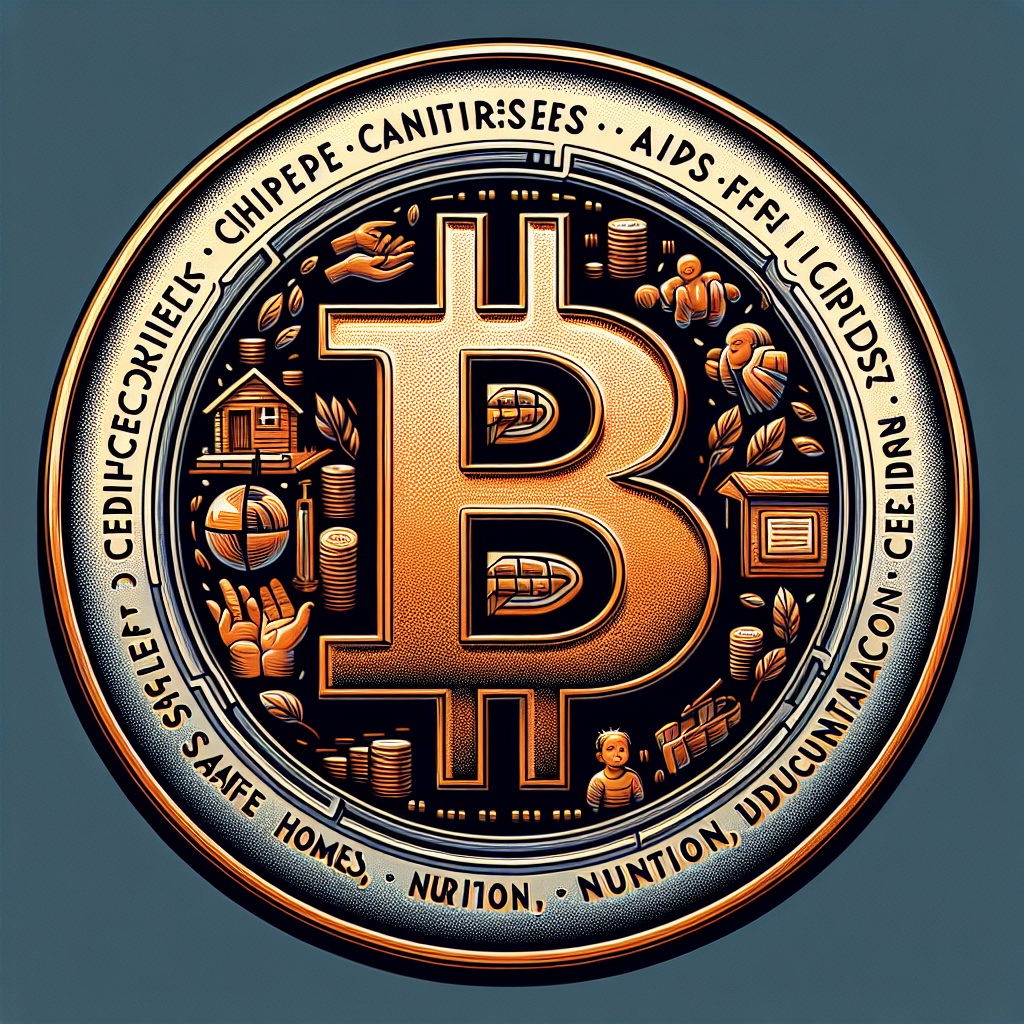
Save the Children has taken a significant step forward in utilizing bitcoin for humanitarian efforts by launching its new Bitcoin Fund. This initiative aims to streamline crisis response efforts, provide greater control to donors, and improve the delivery of emergency aid. As organizations increasingly explore the integration of digital currencies into their operations, this fund represents a critical advancement in the intersection of technology and charitable work, especially in a world that often faces humanitarian challenges.
main points
Key Point 1: Bitcoin Fund Benefits
The newly established Bitcoin Fund allows Save the Children to retain cryptocurrency donations for an extended period – up to four years. This arrangement provides donors with the flexibility to decide when their contributions should be converted into traditional currency. By holding funds in bitcoin, the organization can leverage market trends and optimize the timing of its conversions, enhancing the overall impact of donations. For instance, during times of market peaks, the fund can convert assets at more favorable rates, maximizing the amount available for humanitarian aid.
Key Point 2: Speed and Efficiency
One of the primary objectives of the Bitcoin Fund is to enhance the speed at which aid is delivered during crises. Traditional foreign aid practices are often plagued by operational delays. By embracing blockchain technology, Save the Children can streamline processes, ensuring that support reaches those in need more efficiently. The fund facilitates quicker access to funds, allowing the organization to pilot new methods of direct assistance like stablecoin transfers and digital wallet-based solutions, which can adapt to varying crisis contexts.
Key Point 3: Transparency and Cost Reduction
Decentralized finance principles underpin the Bitcoin Fund, providing greater transparency in the management of donations. Utilizing blockchain technology not only enhances the tracking of funds but also minimizes associated costs, ensuring that more resources are allocated directly to on-the-ground efforts. Donors increasingly seek assurance that their contributions are utilized effectively, and this fund exemplifies a shift toward more transparent operating models for non-governmental organizations (NGOs).
Key Point 4: Expanding Cryptocurrency Acceptance
Since starting to accept bitcoin in 2013, Save the Children has demonstrated a commitment to evolving with technology. By launching this fund, the organization not only reinforces its ability to accept cryptocurrency but also encourages other NGOs to explore similar initiatives. This move signals the growing interest in crypto donations as a viable funding stream, particularly in humanitarian contexts where traditional funding can be slow and inefficient.
additional insights
In light of this innovation, here are a couple of actionable recommendations for other organizations considering similar paths:
- Evaluate Market Conditions: Organizations should closely monitor cryptocurrency market conditions to make informed decisions about when to convert their held assets. Engage with financial experts who understand both the crypto landscape and traditional finance.
- Enhance Education: Offering educational resources about cryptocurrency donations can empower potential donors, making them more comfortable with contributing in this format. Consider hosting webinars or creating informative content that outlines both the benefits and risks of donating in cryptocurrency.
want to know more
If you’re interested in diving deeper into related topics, check out these articles: UK Bitcoin Company Satsuma Sells 579 of Its Bitcoin for $53.2M and explore how the market is adjusting in Crypto Markets Today: Traders Seek Catalysts After Bitcoin’s Post-Fed Pullback.
conclusion
In summary, the introduction of the Bitcoin Fund by Save the Children is a pioneering move aimed at optimizing crisis response effectiveness. By allowing for longer-term holding of bitcoin donations, enhancing speed and efficiency in aid delivery, and increasing transparency, this initiative sets a precedent for other NGOs. As the world navigates complex humanitarian challenges, innovative approaches like this could make a substantial difference.
