

Introduction
The recent downgrade of Tether’s USDT by S&P Global Ratings has sparked significant discussions in the cryptocurrency community, especially due to the growing influence of bitcoin prices on stablecoins. This development is concerning, as stablecoins like USDT are often viewed as safe assets within the volatile crypto market. Understanding why S&P has taken this step is critical for investors, as it reflects broader market vulnerabilities and the interconnectedness of digital currencies.
Main Points
Key Point 1: Implications of S&P’s Downgrade
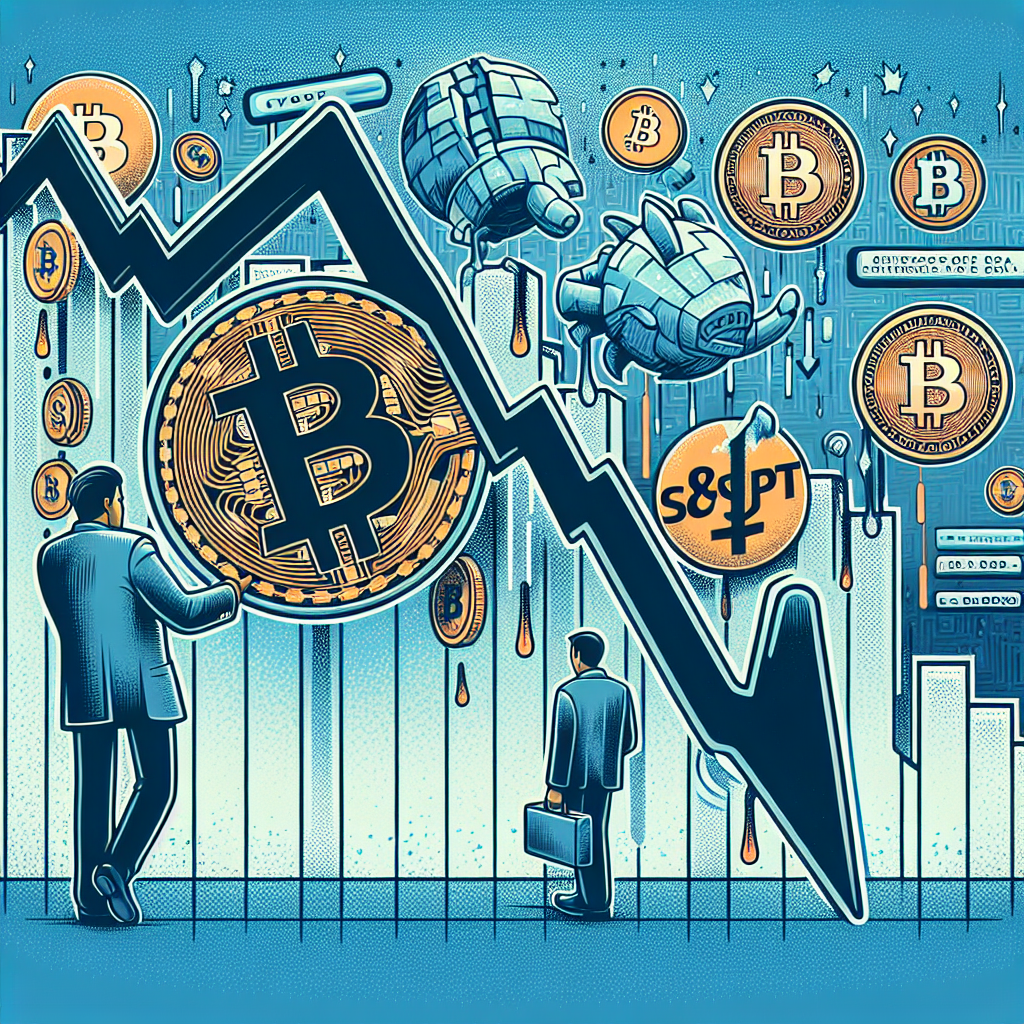
S&P’s decision to downgrade Tether’s credit rating underscores the potential risks associated with stablecoins amidst fluctuating bitcoin values. The agency cites that a decline in bitcoin prices could compromise Tether’s ability to maintain its peg to the USD. Investors often see stablecoins as a stable alternative during market downturns, but if their underlying assets lose value, the trust in these digital currencies diminishes. This situation raises alarms about liquidity and market confidence.
Key Point 2: Bitcoin’s Volatile Nature
The dramatic fluctuations in bitcoin prices have a direct impact on stablecoins like USDT. Bitcoin’s recent drop has put more pressure on Tether, revealing how intertwined these digital assets are. For instance, if bitcoin were to drop significantly, it might encourage a sell-off in USDT, leading to further destabilization. This interdependence suggests that a downturn in bitcoin prices could not only harm investor sentiment but also threaten the stability of the entire cryptocurrency market.
Key Point 3: Market Reactions and Future Considerations
The reaction to S&P’s downgrade has been mixed, with some market participants viewing it as an opportunity to reconsider their investments in stablecoins. Traders and investors are now re-evaluating the risks associated with USDT, particularly as it pertains to overall market health. If USDT can successfully navigate this turbulence, it may enhance its credibility; however, persistent bitcoin declines will necessitate increased scrutiny. Investors should remain vigilant and adaptable in strategies, particularly in evaluating other cryptocurrencies or stablecoin alternatives.
Key Point 4: The Importance of Transparency
One of the broader implications of this downgrade is the call for greater transparency within the stablecoin sector. Tether’s reserve backing has always been a point of contention and skepticism. For Tether to regain investor confidence, it must maintain clear communication regarding its reserves and ensure that it is adequately backed by assets, including bitcoin. This transparency will be crucial in a market that values trust and stability.
Additional Insights
As the cryptocurrency market evolves, it’s essential for investors to keep a few strategies in mind:
- Diversification: Spreading investments across different assets can help mitigate risk. Consider investing in various cryptocurrencies or even traditional assets combined with stablecoins.
- Stay Informed: Industry news can dramatically shift market conditions. Regularly update yourself on bitcoin movements and external influences like regulatory changes.
Investors should also consider using risk management tools or contracts in uncertain times, ensuring they are prepared for potential volatility.
Want to Know More
If you’re interested in the nuanced interactions of the crypto market, explore our articles on Bitcoin’s $1T Rout Unveils Vulnerabilities in Market Structure and JPMorgan Upgrades Bitcoin Miners Cipher and CleanSpark Amid HPC Shift. These posts delve deeper into the challenges and changes within the Bitcoin market that are shaping the broader cryptocurrency landscape.
Conclusion
The downgrade of Tether’s USDT by S&P due to the risks associated with falling bitcoin prices highlights an essential aspect of the cryptocurrency market: the fragility of stability within volatility. As investors navigate these unpredictable waters, awareness and strategic adjustments will be key to mitigating risks. This situation invites re-evaluation of investment strategies and stresses the importance of transparency in maintaining market confidence.
