


Watch this article as a video
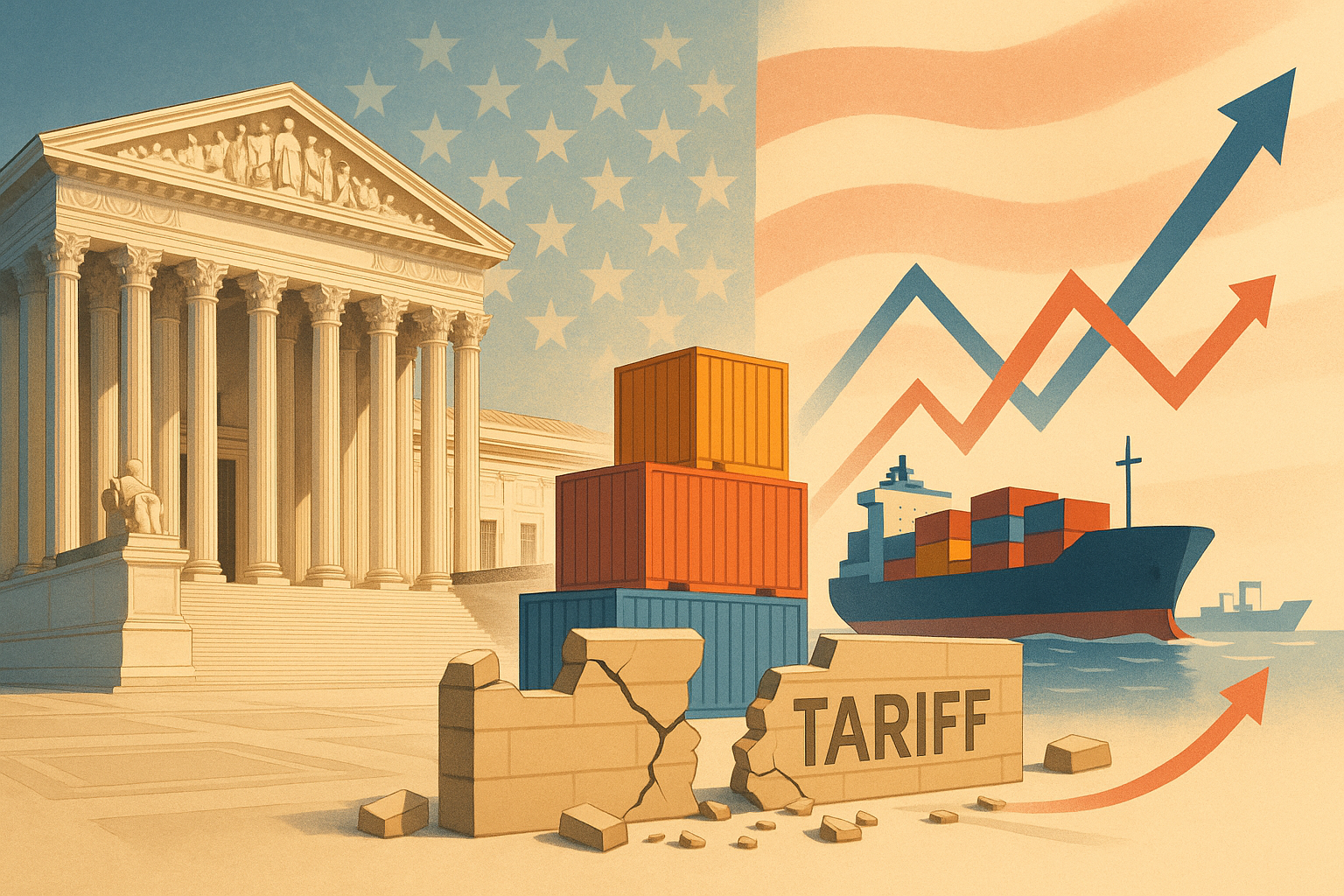
In a landmark decision, the Supreme Court has ruled against approximately half of Trump’s tariffs, declaring them null and void. This ruling represents a significant blow to the former president’s trade war strategy and raises important questions about presidential power and congressional authority.
Supreme Court Decision: A Constitutional Victory
While this decision may not come as a complete surprise to those following the Supreme Court hearings, it delivers an enormous blow to Trump’s trade policies. The ruling stems from fundamental constitutional principles established at the nation’s founding.
According to Sky’s Ed Conway, the administration may have to refund part, or perhaps even all, of the money paid under tariffs so far following this Supreme Court decision.
Constitutional Foundation: Separation of Powers
To understand this ruling’s significance, we must examine the US Constitution’s core principles. The founding fathers established that:
- Presidents should not have unilateral power to set taxes
- Tariffs needed Congressional approval
- This requirement formed the cornerstone of “separation of powers”
However, getting legislation through Congress is often time-consuming and cumbersome. Over the decades, various exceptions were written into law, creating legal loopholes that allowed presidents to impose emergency tariffs under specific circumstances.
How Trump Implemented His Tariff Strategy
Understanding the legal framework is crucial to comprehending how Trump’s tariffs were initially implemented. The former president utilized several historic loopholes:
Trade Expansion Act of 1962
Section 232 allows tariff imposition on certain sectors with national security justification. Trump used this clause for his steel and aluminum tariffs.
International Emergency Economic Powers Act (IEEPA) of 1977
The famous “Liberation Day” tariffs were implemented under this act, which is supposed to be used only during national emergencies. Trump justified these tariffs by citing:
- Trade deficits
- Illegal drug inflows
- Other issues he argued constituted a national emergency
Impact of the Supreme Court Ruling
The Supreme Court’s disagreement with Trump’s justifications has significant implications:
- All IEEPA tariffs are now null and void
- Approximately half of all Trump’s levies are affected
- Serious questions arise about potential refunds for money already collected
What Happens Next?
While this ruling doesn’t fundamentally change everything, it will likely force any future administration to:
- Use other legal loopholes to implement similar policies
- Face increased scrutiny from the judiciary
- Navigate the complex relationship between executive power and congressional authority
Political Implications and Future Outlook
This decision comes at a time when tariffs are not particularly popular among voters. The ruling presents two potential paths:
- The administration could blame the judiciary for obstructing political progress
- This could force a concession that tariffs aren’t working as hoped
Either way, this represents yet more chaos from the ongoing trade war, with undoubtedly more twists and turns to come in America’s complex trade policy landscape.
