


Introduction
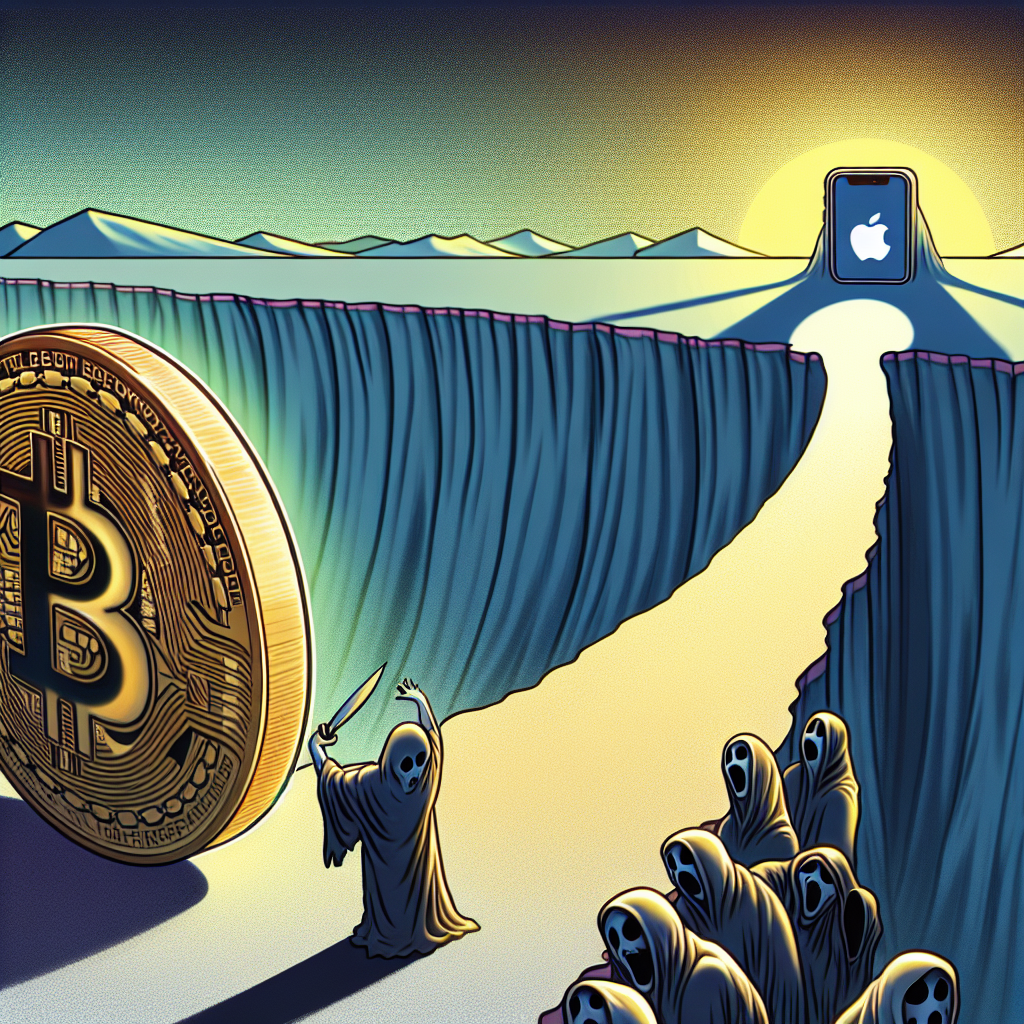
In a thought-provoking analysis, Michael Saylor, the Executive Chairman of MicroStrategy, draws parallels between bitcoin’s current market struggles and Apple’s historic ‘valley of despair’ from 2013. This comparison highlights the cyclical nature of technology investments and emphasizes the notion that enduring corrections is a crucial part of achieving long-term success. Understanding this relationship not only offers insights into bitcoin’s volatility but also sheds light on the broader implications for technology investors.
Main Points
Key Point 1: Learning from Apple’s History
Saylor underlines that every successful technology investment has undergone significant drawdowns—Apple is a prime example. In 2013, Apple’s stock price plummeted by 45% despite the iPhone’s growing ubiquity. Saylor suggests that this history is essential for bitcoin investors to consider, as it mirrors the current sentiment where investors might fear that bitcoin could be entering a similar phase of decline. Just as Apple’s resurgence took years, he argues, bitcoin may also need time and resilience to recover its value fully.
Key Point 2: Understanding Market Mechanics
Michael Saylor points to several structural changes in the financial markets that contribute to today’s different dynamics for bitcoin. With a shift from offshore derivatives trading towards U.S. regulated markets, the volatility typically seen in past cycles may compress future fluctuations. Saylor suggests that this compression could reduce severe drawdowns from typical 80% to about 40-50%. Such insights compel investors to rethink previous assumptions regarding bitcoin’s price behavior during market changes.
Key Point 3: Addressing Fears and Misconceptions
When discussing potential existential threats like quantum computing, Saylor remains unconvinced. He identifies these concerns—once vehemently discussed—as recurring narratives that often lack substance. Just as claims about Apple’s challenges during its slump didn’t derail the company, Saylor believes that fears surrounding bitcoin will eventually dissipate as the technology continues to evolve. He emphasizes that both government and financial systems are adapting, reinforcing the idea that bitcoin will similarly overcome these hurdles.
Key Point 4: Bitcoin’s Current Landscape
Bitcoin is presently facing a notable 45% decline from its all-time high, similar to Apple’s past downturns. Despite this, Saylor encourages resilience among investors, noting that fluctuations are fundamentally a part of technology’s journey. Notably, he attributes part of the current market behavior to shifts in investor sentiment and structural changes, paving the way for a more stable future. This perspective invites both seasoned and new investors to recognize the importance of patience in the investment landscape.
Additional Insights
To navigate the complexities of current market conditions, investors should consider the following recommendations:
- Research Historical Trends: Understanding past market behaviors can equip investors with the knowledge to better navigate the present.
- Diversification is Key: Rather than focusing solely on bitcoin, consider diversifying investments across various sectors to mitigate risks associated with heavy drawdowns.
Want to Know More
If you’re looking to delve deeper into the broader market implications of bitcoin, check out our posts on Bitcoin May Plunge to $10,000 Amid Rising U.S. Recession Risks and Harvard Reduces Bitcoin Holdings by 20% and Invests in Ether.
Conclusion
Michael Saylor’s insights into bitcoin’s parallels with Apple’s historic challenges urge investors to adopt a long-term perspective despite current struggles. As evidenced by Apple’s eventual recovery, the journey through the ‘valley of despair’ is often a prerequisite for enduring success in technology investments. By learning from past patterns, investors can prepare themselves for the cyclical nature of the cryptocurrency market.
