


Introduction
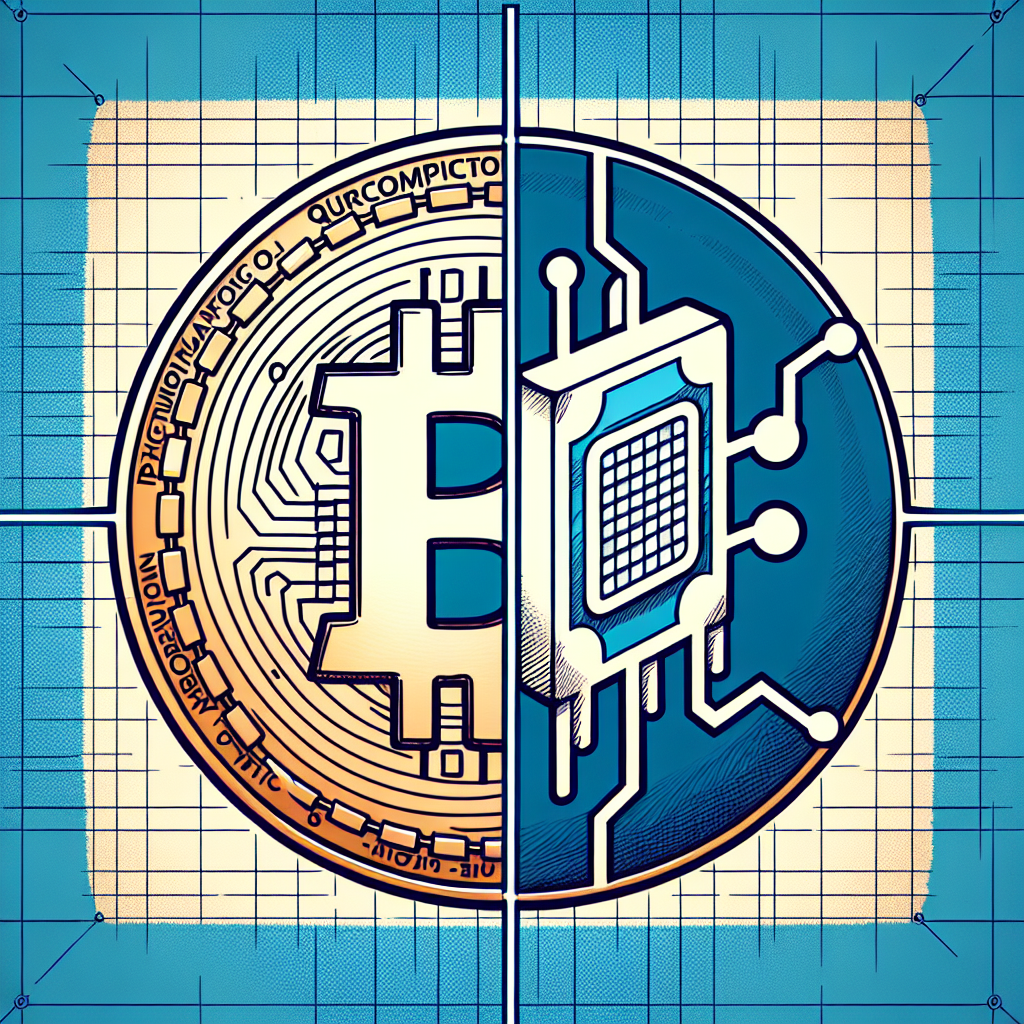
The Protocol has emerged as a crucial topic within the cryptocurrency community, specifically when discussing the future of Bitcoin in the face of evolving technologies. This proposal, aimed at addressing the threat posed by quantum computing, suggests measures that could potentially freeze certain Bitcoin assets. As quantum computers advance, their potential to compromise traditional cryptographic methods raises significant concerns for investors and developers alike. Understanding this proposal is vital, as it represents a pivotal moment in Bitcoin’s history, reflecting the ongoing battle between technological advancement and security protocols.
Main Points
Key Point 1: The Quantum Threat
Bitcoin relies heavily on cryptographic security, which has now been challenged by the looming threat of quantum computing. Developers are beginning to recognize that the cryptographic algorithms currently securing Bitcoin might not be sufficient against powerful quantum machines. A recent report by Google suggested that a quantum computer could potentially compromise Bitcoin’s blockchain integrity with less computational power than previously thought. This has escalated discussions within the Bitcoin developer community about upcoming vulnerabilities and how to mitigate potential risks.
Key Point 2: BIP-361 Explained
A central element of The Protocol is the Bitcoin Improvement Proposal (BIP)-361, which proposes transitioning Bitcoin holders to quantum-resistant addresses. If implemented, users who do not migrate their coins could see them frozen permanently. This means that while they would theoretically still own their coins, they would lose all ability to transact or access them. The proposal highlights the urgency for Bitcoin holders to remain proactive, especially as a deadline of 2029 is being discussed as a potential critical point for quantum threats.
Key Point 3: Community Response
The proposal has polarized opinions within the Bitcoin community. Some developers argue for the necessity of these defensive measures to maintain the security and integrity of the network. Conversely, critics emphasize the risks that such a bold move could entail, including alienating users who may not be capable of navigating the migration process or may simply oppose the freezing of their assets. This division reflects a broader tension in the cryptocurrency world between innovation, security, and user autonomy.
Key Point 4: Future Implications
The potential adoption of BIP-361 could significantly reshape the landscape of Bitcoin. Users may need to adapt not only their holdings but also their strategies surrounding investment and trading in light of this evolving situation. Furthermore, the implications extend beyond individual users; businesses relying on Bitcoin for transactions will need to reassess their security measures and operational protocols to ensure compliance and viability within the quantum landscape.
Additional Insights
As the situation develops, users should consider taking the following actions:
- Stay Informed: Keeping abreast of updates from reputable sources about Bitcoin and quantum developments will help you make informed decisions regarding your investments.
- Evaluate Options: Businesses should begin strategizing potential responses to quantum threats, from reassessing their technology to considering alternative cryptocurrencies that may offer more robust security against quantum risks.
Want to Know More?
If you’re interested in understanding more about related topics, check out these articles:
Adam Back Denies He’s Satoshi Nakamoto After NYT Report
Morgan Stanley’s Bitcoin ETF Achieves Impressive $34 Million Day One.
Conclusion
The Protocol is more than just a proposal; it represents a critical junction for Bitcoin as the threat of quantum computing looms large. The proposed BIP-361 seeks to protect the integrity of Bitcoin but also raises significant discussions about user autonomy and the future of cryptocurrency security. This evolving narrative will substantially affect how individuals and organizations engage with Bitcoin moving forward.
